Travel Tech 2 (TT2) is born, an international investment fund with offices in Spain, the Netherlands and Italy, specialising in B2B and SaaS traveltech start-ups. The fund aims to identify and support Italian and European start-ups capable of developing concrete technological solutions for the tourism industry, bringing value, expertise and strategic control back to Europe.
According to the most recent data, despite 234 million overnight stays by international tourists, Italy’s revenues are significantly lower than those of Spain and France. Data collected between 30 December 2025 and 7 January 2026 show that the average occupancy rate of Italian accommodation facilities stood at 47.8%, an increase of 2.6 percentage points compared to the same period last year. Italy is a record-breaker, outperforming destinations such as Greece, Spain and France (source: ENIT – Ministry of Tourism) but, as we have seen, its revenues are lower. This is because much of the economic value generated by Italian tourism does not remain in the country, but is intercepted by technological platforms, software, distribution and data management systems developed and controlled mainly in non-European countries. This phenomenon weighs even more heavily in a context characterised by fragmented supply and low digital intensity, especially among independent operators, who end up subject to the rules of foreign intermediaries for sales, pricing, customer relations and access to data.
Today, a significant portion of tourist spending is absorbed by commissions, distribution fees, booking platforms, management systems, and Asian and US digital infrastructures. One example stands out: in Italy, around 70% of bookings are made through intermediaries, with Booking accounting for 42% and other OTAs for 28%. This means that only 30% of bookings can be considered direct (source: Blastness Group).
This means lower margins for operators, less proprietary data, and reduced capacity to innovate and differentiate. “Tourism is one of the pillars of the Italian economy, but we continue to behave as mere suppliers of physical assets, destinations, facilities and experiences, leaving others in control of technology and therefore value,” explains Leonardo Saroni, general partner of TT2, in a statement. “If the digital component remains external, the growth in flows does not automatically translate into structural economic growth.”
The TT2 fund, authorised to grow to €60 million with a target of €50 million, a figure that will already be approached at the first closing, was created with a selective and industrial approach. The fund invests exclusively in B2B start-ups, avoiding marketing-intensive B2C models, and focuses on solutions that impact key nodes in the supply chain: first and foremost, AI as a horizontal enabler for process automation, operational efficiency and data management. But the investment is not only financial. ‘Capital is a necessary condition, but it is not enough,’ emphasises Saroni. ‘To truly compete, you need market access, industrial validation and high-level relationships. We provide the startups we invest in with a solid ecosystem of contacts, partners, corporations and industry players, including our 85 industrial investors from 15 different countries, hotel chains, airlines and technology companies, accelerating growth and technology adoption in a concrete way. Our model aims to lay the foundations for technological sovereignty in tourism.”
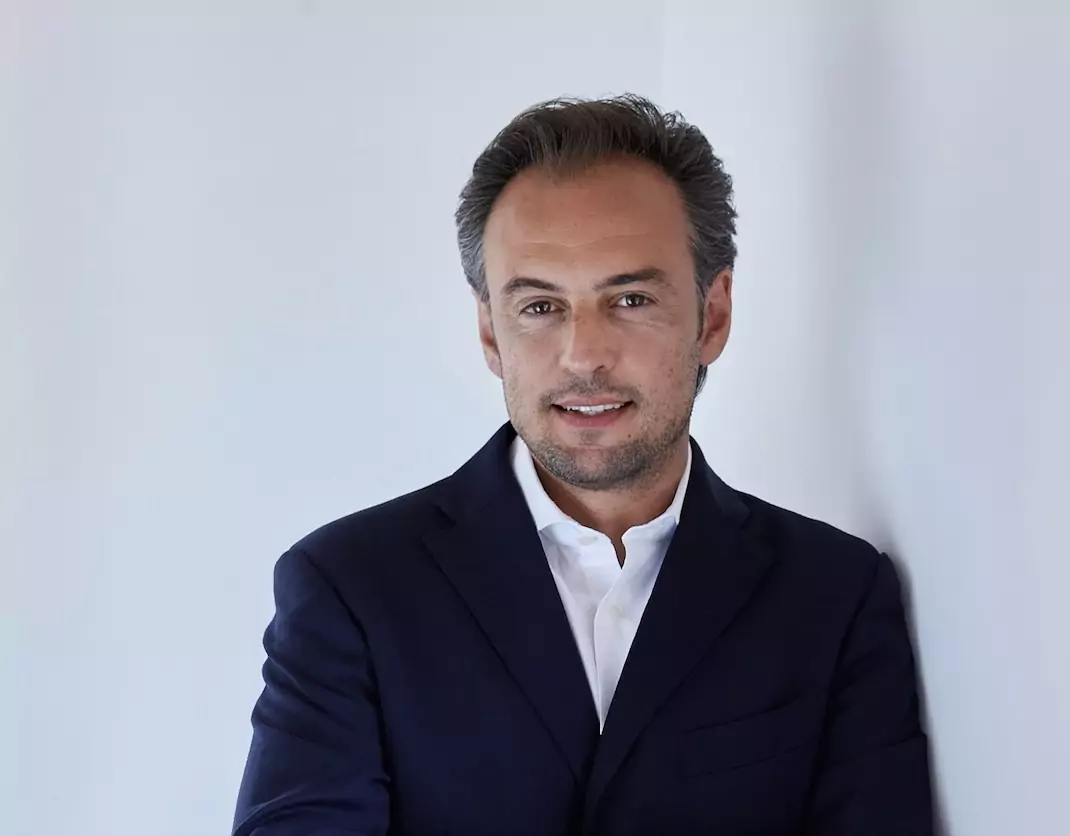
Tourism will continue to grow, but the real challenge is not to increase flows: it is to retain value. Without a strong technological supply chain, there is a risk that Italy will remain a successful destination but a marginal player in the global value chain. ‘The 2026 Budget Law, approved by Parliament and supported by the Ministry of Tourism, lays the first foundation stone for strengthening our national digital infrastructure in tourism, recognising that the future of competitiveness also depends on the ability to manage data, services and relationships in an integrated manner. TT2 is working along the same lines. Investing in this sector means defending competitiveness, margins and skilled employment. It is an industrial choice, even before it is a financial one,” concludes the general partner (pictured).
ALL RIGHTS RESERVED ©