When discussing innovation in agriculture, attention often focuses on mechanisation, sensor technology and automation. Abit was created to meet a different need: to provide farmers with tools to manage functional biodiversity in an operational manner, integrating it into business decision-making processes.
Abit develops digital solutions to support the maintenance and restoration of biodiversity in agroecosystems. The aim is to transform biodiversity from an exclusively environmental or regulatory issue into a technical and economic variable that can be used to guide agronomic and management decisions.
The agricultural sector is facing a period of significant disruption: climate change, loss of fertility and soil degradation, reduction in beneficial organisms, unstable yields and increasing regulatory pressure. In this context, biodiversity is a strategic factor for production resilience, long-term stability of cropping systems and reduction of agronomic risk. However, it is currently difficult to measure it in a standardised way and, above all, to integrate it into the daily decision-making processes of farms.
Abit addresses this gap by developing a platform that combines artificial intelligence, ecological data and agronomic information to analyse the effects and relationships between management practices, land characteristics and the biological functionality of the agroecosystem. The system organises and synthesises indicators relating to soil, habitat and cultivation practices, providing comparative assessments that support the comparison of different management options. The aim is not to reconstruct complex models or abstract simulations, but to provide farmers and technicians with effective tools to make the effects of different management choices on the biological functionality of the agroecosystem readable and comparable.
In this way, the complexity of biodiversity is translated into a measurable and manageable parameter, linked to concrete elements such as production stability, resilience to environmental stress and operational risk in the medium to long term. Technology thus becomes a decision-support tool, capable of connecting ecological aspects, agronomic choices and economic outcomes, including access to agri-environmental incentives, certification schemes and sustainability reporting tools, which are increasingly relevant to business competitiveness.
Abit’s activity lies at the intersection between scientific research and operational application. The start-up collaborates with soil specialists, ecologists and agronomists to develop indicators that are methodologically sound and, at the same time, usable in a business context. The platform is designed to integrate into existing workflows, with the aim of simplifying data interpretation without increasing management complexity.
The ecological transition in agriculture requires tools that enable environmental sustainability to be combined with economic sustainability. Making biodiversity measurable, comparable and linked to production outcomes is an essential step towards integrating it permanently into agricultural business strategy, moving beyond a purely declarative approach.
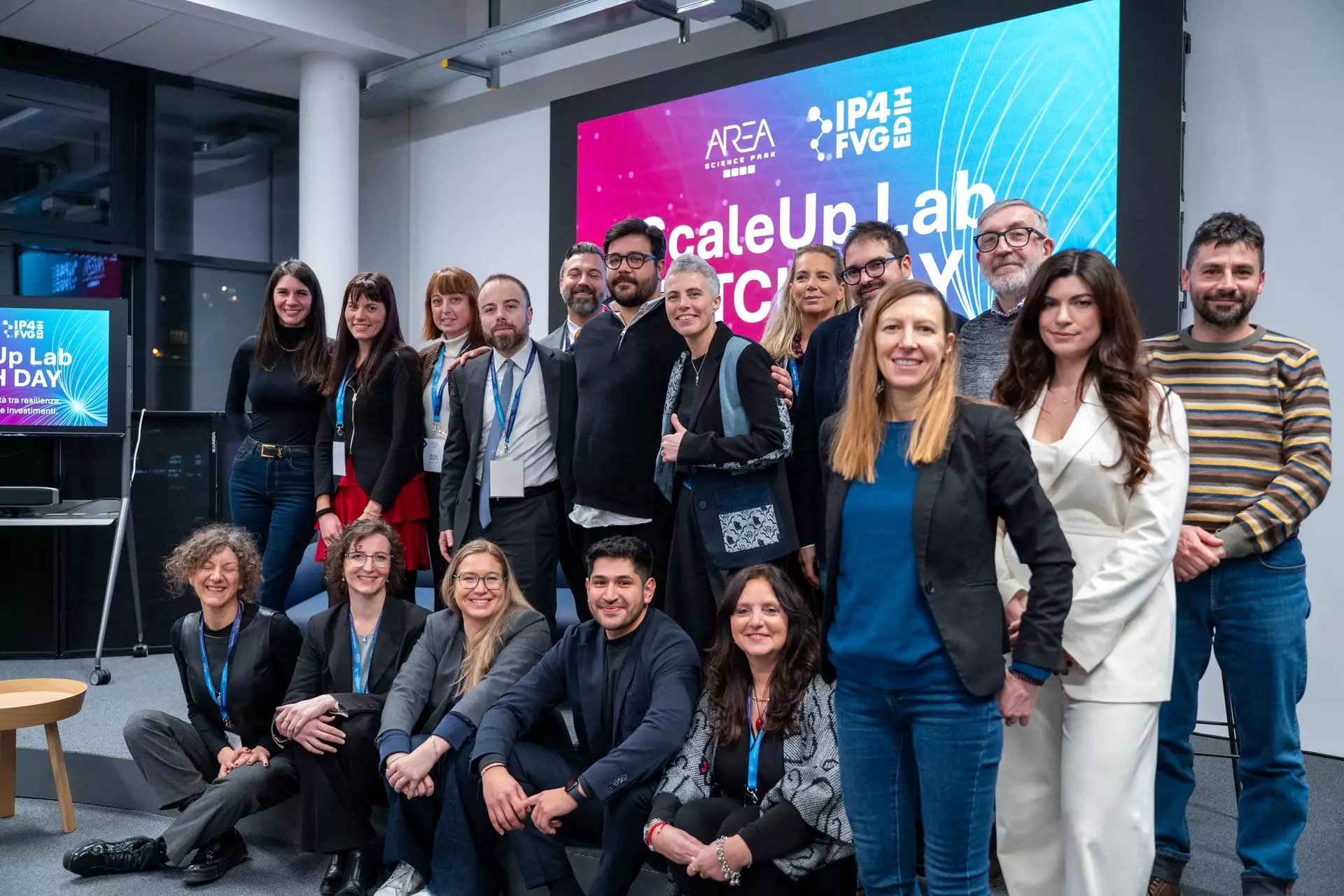
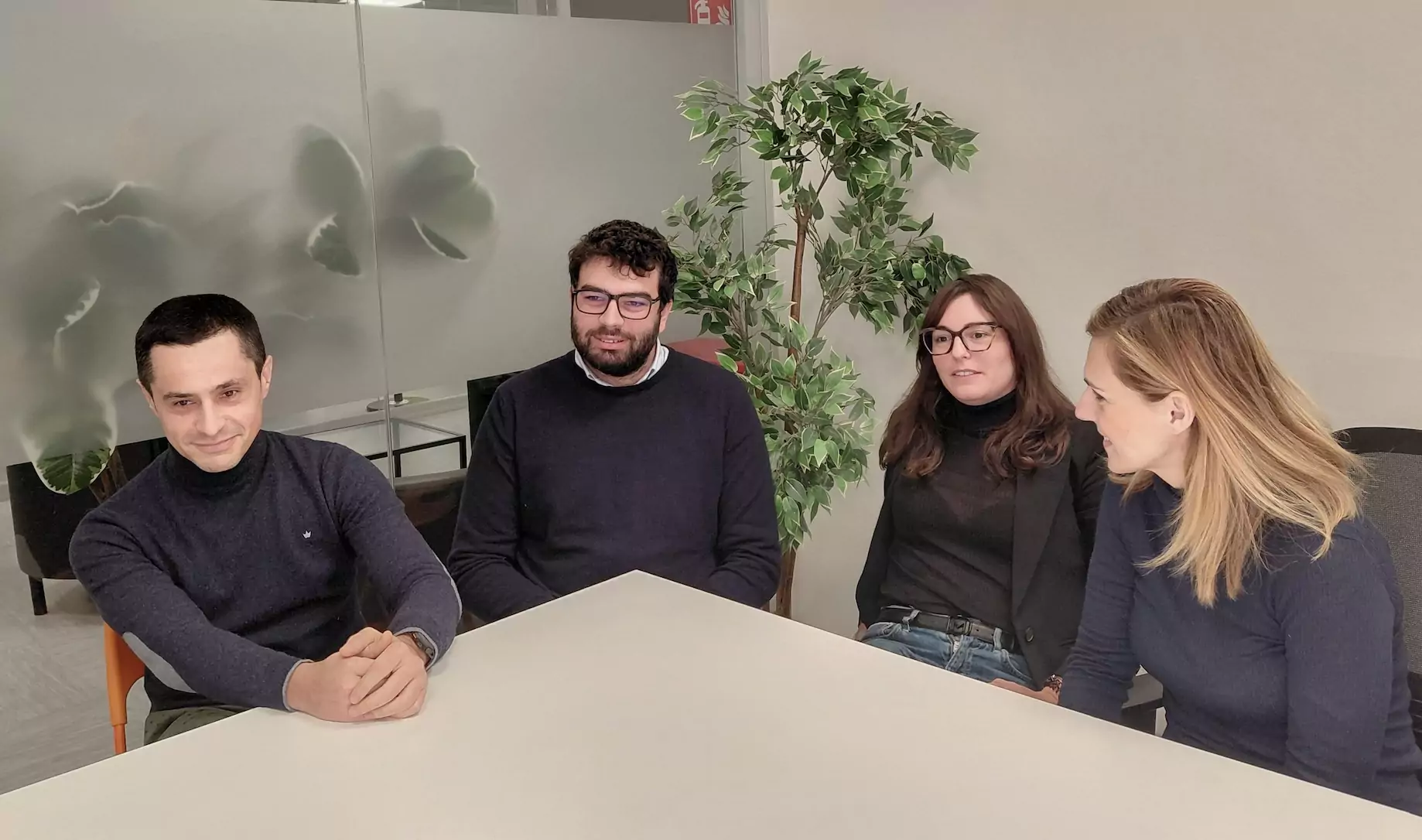
Abit operates with this goal in mind: to integrate ecology into decision-making models through advanced digital tools, helping to make agriculture more resilient and using sustainability as an operational factor, not just a declarative one, to enable informed, long-term management, because the future of agriculture will depend not only on how much we produce, but also on how we manage to do so while remaining within the biological limits of the systems that sustain us. (pictured: the Abit team)
ALL RIGHTS RESERVED ©