Table of contents
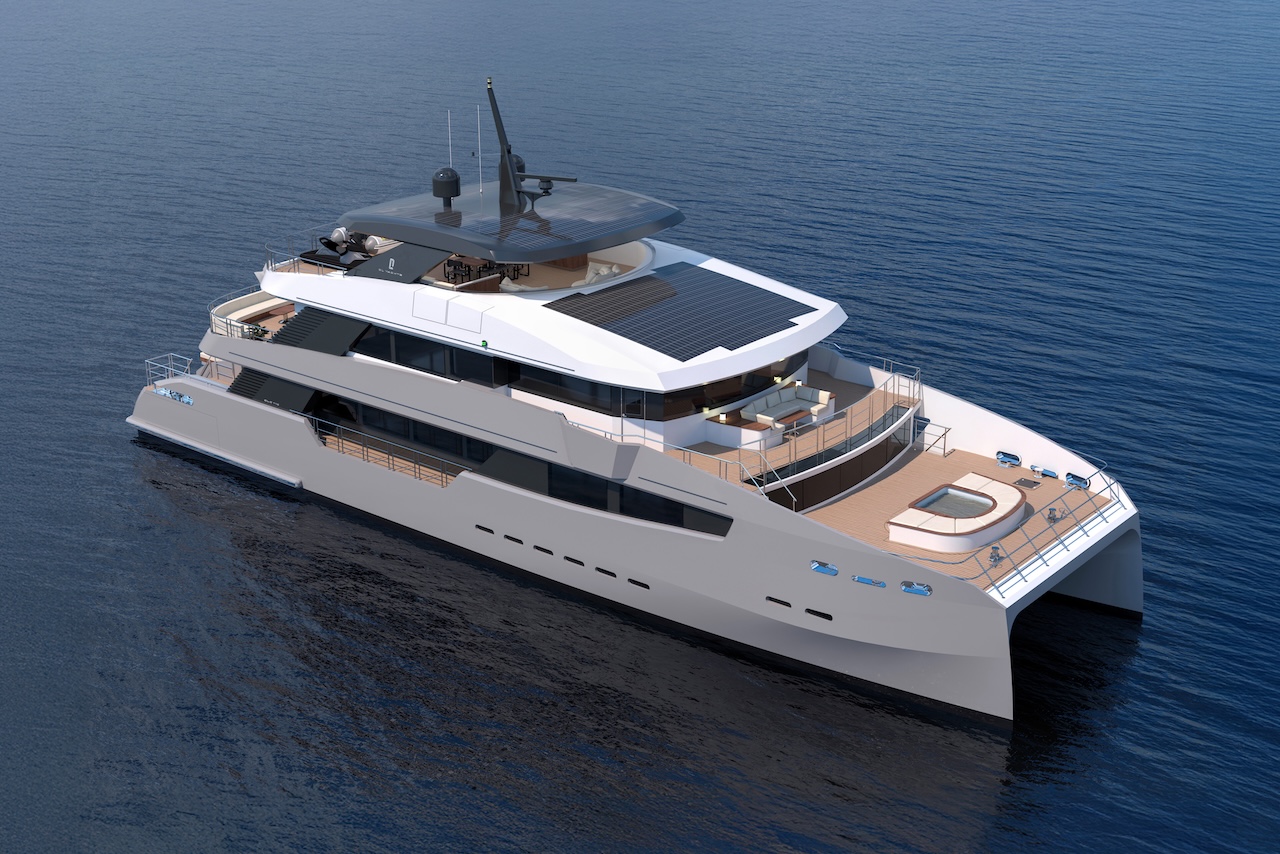
Hong Kong is positioning itself as Asia’s next yacht economy hub, leveraging policy support, infrastructure expansion, and a wave of innovative startups.
The city’s 2025 Policy Address earmarked yachting as a strategic growth sector, with at least four new marina projects planned and regulatory reforms to ease visiting yacht procedures.
Hong Kong is leveraging its position within the Greater Bay Area (GBA) – an economic integration plan that brings together Asia’s top financial hub with Macao and nine cities in Chinese mainland’s Guangdong province.
For investors and founders, the convergence of policy tailwinds, technology breakthroughs, and crossborder collaboration with Europe signals a sector on the cusp of transformation.
In particular, Italy is a natural partner in yacht culture and technology. Ferretti, the Italian luxury yacht brand majority‑owned by China’s Weichai Group, is dual‑listed in Milan and Hong Kong.
Startups Chart a New Course for Yachting Innovation
Hong Kong’s ambition to become Asia’s premier yacht economy is not only anchored in government policy but also propelled by a new generation of startups, according to Fred Li, managing director at Gobi Partners, an Asia-focused venture capital firm.
Startups across the GBA are reimagining the boating industry with new energy and electric propulsion, autonomous navigation, as well as userfriendly designs, while leveraging the local manufacturing base.
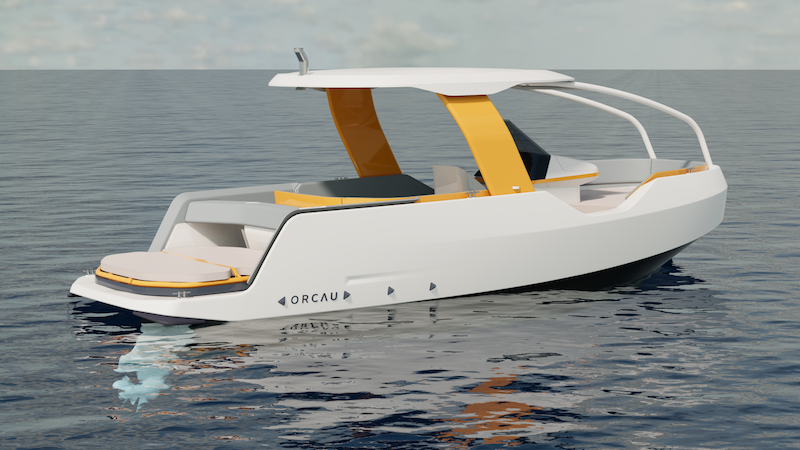
Founded in 2017, Orcauboat has quickly established itself as a pioneer in autonomous maritime technology and already supplies unmanned surface vessels to the Hong Kong government.
The company’s backers include Li Zexiang, who nurtured top drone maker DJI, as well as Andrew Chi-Chih Yao, the first Chinese winner of the Turing Award, dubbed as the Nobel Prize of computing.
Earlier in March, Orcauboat secured CNY 200m (USD 27.4m) in the largest-ever financing for China’s water-surface autonomous driving sector. Sources said that the firm plans a pre-IPO funding round in 2027 and a listing the year after.
Orcauboat is now spinning off Mirava, a brand focused on the development of the next-generation intelligent electric leisure yacht. It plans European expansion via Swiss lakes, with the creation of 10 yacht clubs, 20 berths, and 1,000 charging stations.
The emergence of new ventures suggest that this field might become soon crowded. In February, Richard Liu – the founder of Chinese e-commerce giant JD.com – rocked the industry with the announcement of a new yacht company, Sea Expandary.
The firm signed CNY 5bn (USD 723m) with the GBA cities of Shenzhen and Zhuhai to build a highend yacht industrial base. It aims to develop smart boats with pure electric propulsion enabling ultra-quiet, vibration-free cruising. ensure a fully intelligent, end-to-end user experience.
Liu’s vision is to harness China’s fastgrowing domestic market with the long-term goal of transforming yachts from symbols of affluence and exclusivity into attainable lifestyle products for everyday consumers.
California-born Ian Borchard, who founded Hong Kongbased Harbovr Boats, also embraced this philosophy. Rather than luxury yachts, his startup focuses on small, practical tenders designed for stability and short transfers. It leverages manufacturing in Zhuhai, sourcing fiberglass, epoxy, and components locally.
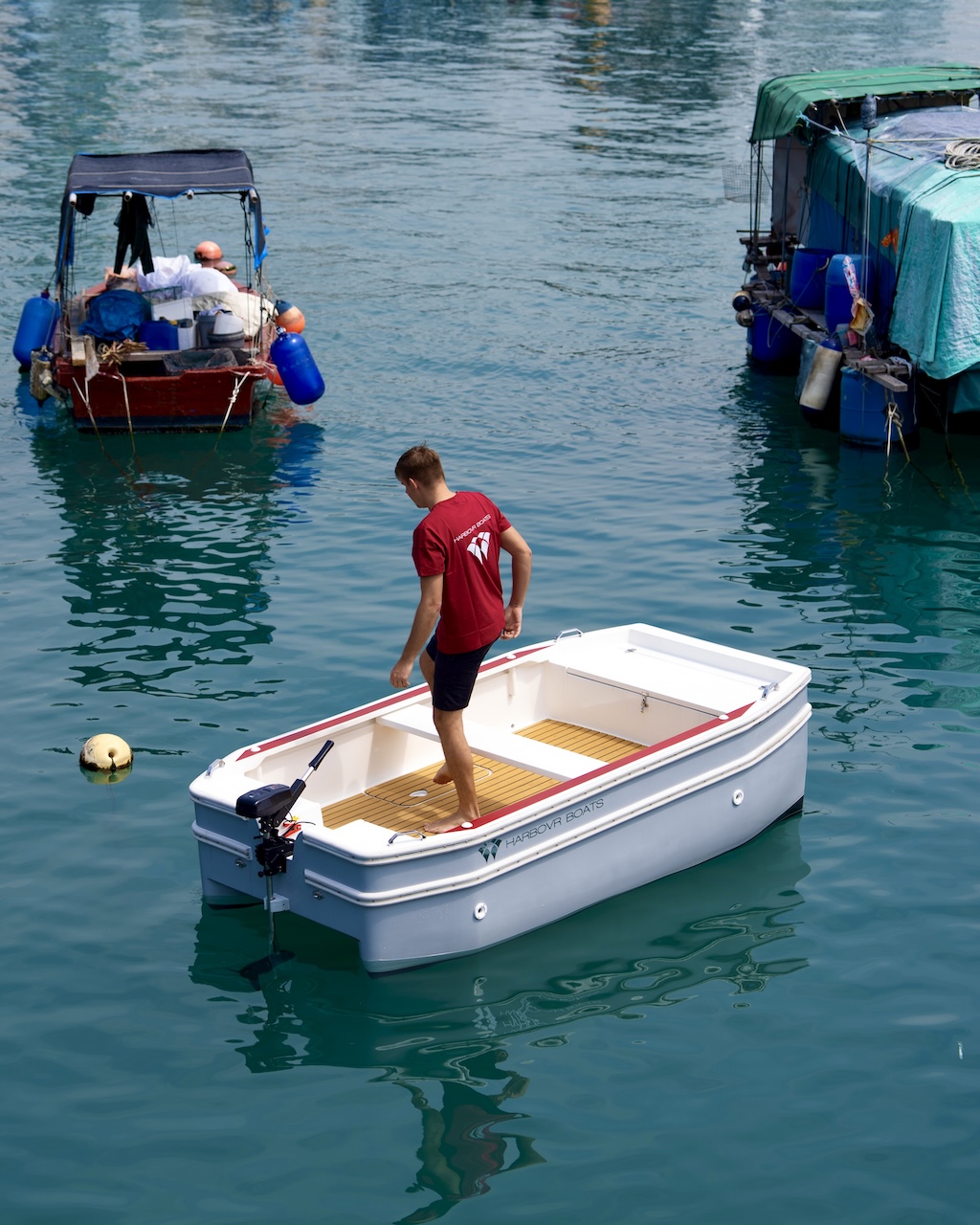
Harbovr already delivered several V300 units in Hong Kong and is now eyeing expansion into Europe and North America. The company is also developing the Y300, a model aimed at the luxury segment, as well as tailormade vessels for commercial clients. Bootstrapped to date, Harbovr may launch a fundraising round later this year to finance marketing and international expansion.
Borchard is bullish about the future of electric leisure boats. He believes breakthroughs in solidstate and sodiumion batteries will soon deliver higher energy density, making electric vessels more practical and accessible for everyday users.
China is at the forefront of this technology. CATL, the world’s top EV battery supplier, is expanding into marine electrification through subsidiary CAES, delivering nearly 900 projects since 2022 and developing advanced battery and hybrid systems for domestic pleasure boats and cargo vessels.
In the GBA, electric outboard motors company, ePropulsion represents a prominent success case, according to Lawrence Chow, chair of the Hong Kong Boating Industry Association (HKBIA).
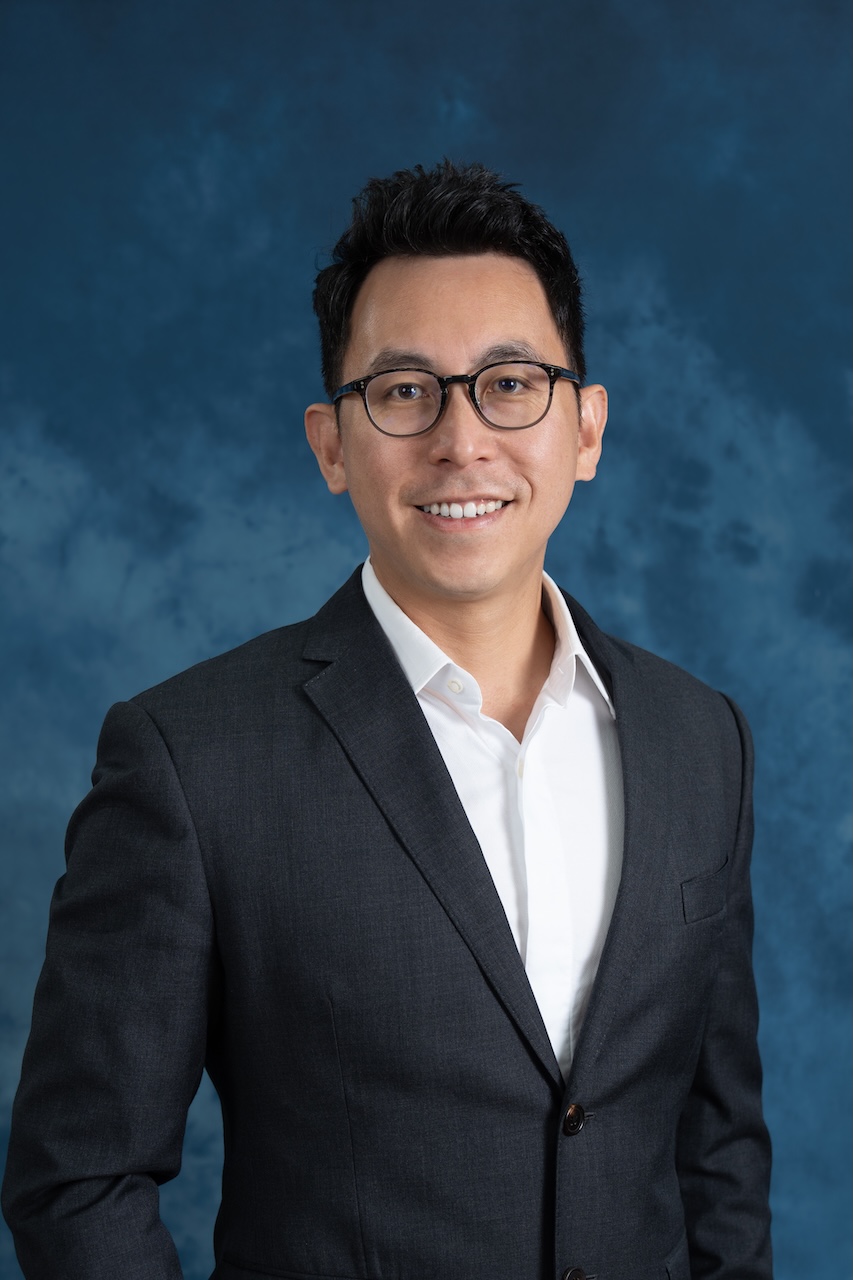
Founded in 2012 by Danny Tao and other students at the Hong Kong University of Science and Technology, ePropulsion raised tens of millions of US dollars and has 350 employees, according to public information.
In March, the company opened a 1,000 sqm facility in Dongguan that enables simulation and verification of electric and hybrid vessel systems. The platform shortens R&D cycles and reduces certification costs, strengthening Greater Bay Area marine electrification and industry standards.
Chow also highlighted GBA shipyards such as Cheoy Lee and Kingship, noting their historic strength and current innovations in electric, hybrid and hydrogen propulsion, alongside hulldesign optimization.
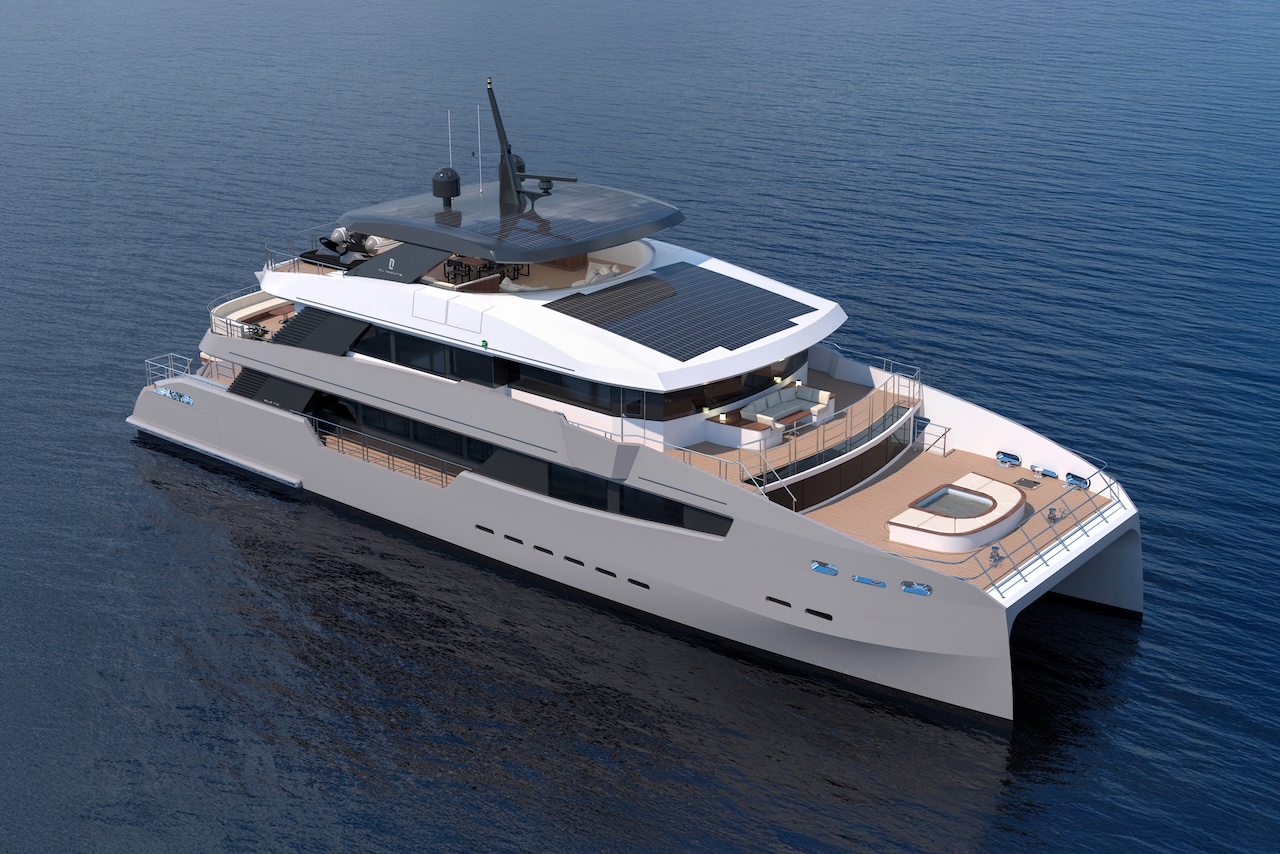
Cheoy Lee unveiled a 35meter sustainable superyacht concept that integrates hybrid propulsion, solar panels, smart systems and ecofriendly interiors. The company is also exploring hydrogen fuel cells and university partnerships in AI, robotics and green materials.
Electrification, however, has limits – at least for now. Small electric leisure boats up to 15 meters in length are already viable for inland waters, though battery weight and energy density limit range and speed, making fullelectric impractical for large yachts, according to Ewa Stachurska, CMO and Sustainability head at Sanlorenzo Asia-Pacific.
Larger vessels are exploring green methanol reformers to hydrogen, alongside hybrid diesel–methanol systems. In addition, Hong Kong marinas lack the necessary electric charging infrastructure to power bigger electric yachts, according to Chow and Stachurska.
Retrofitting fast chargers would require costly grid upgrades and may prove uneconomical given limited vessel usage (around 100 hours annually), Chow said. New marina projects are expected to incorporate a handful of superchargers – though widespread adoption will ultimately hinge on returnoninvestment calculations.
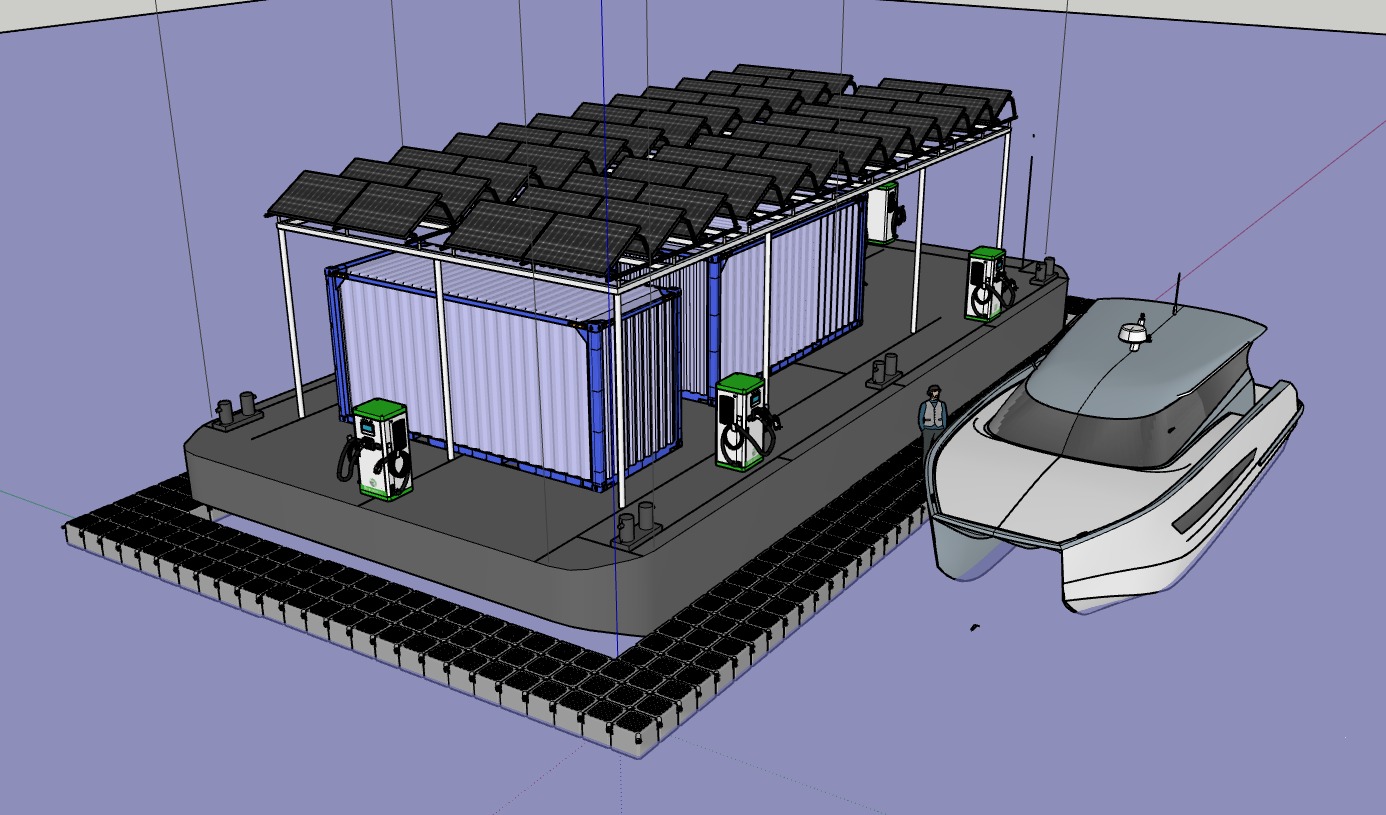
Gerhard Kutt, a marine engineer with decades of experience and founder of Hong Kong-based startup KMIC Limited, suggests to use as interim buffers “Navy Cubes” – high-powered, medium-sized energy storage systems from Hong Kong-based Leyden, a partner of Chinese battery giant Gotion.
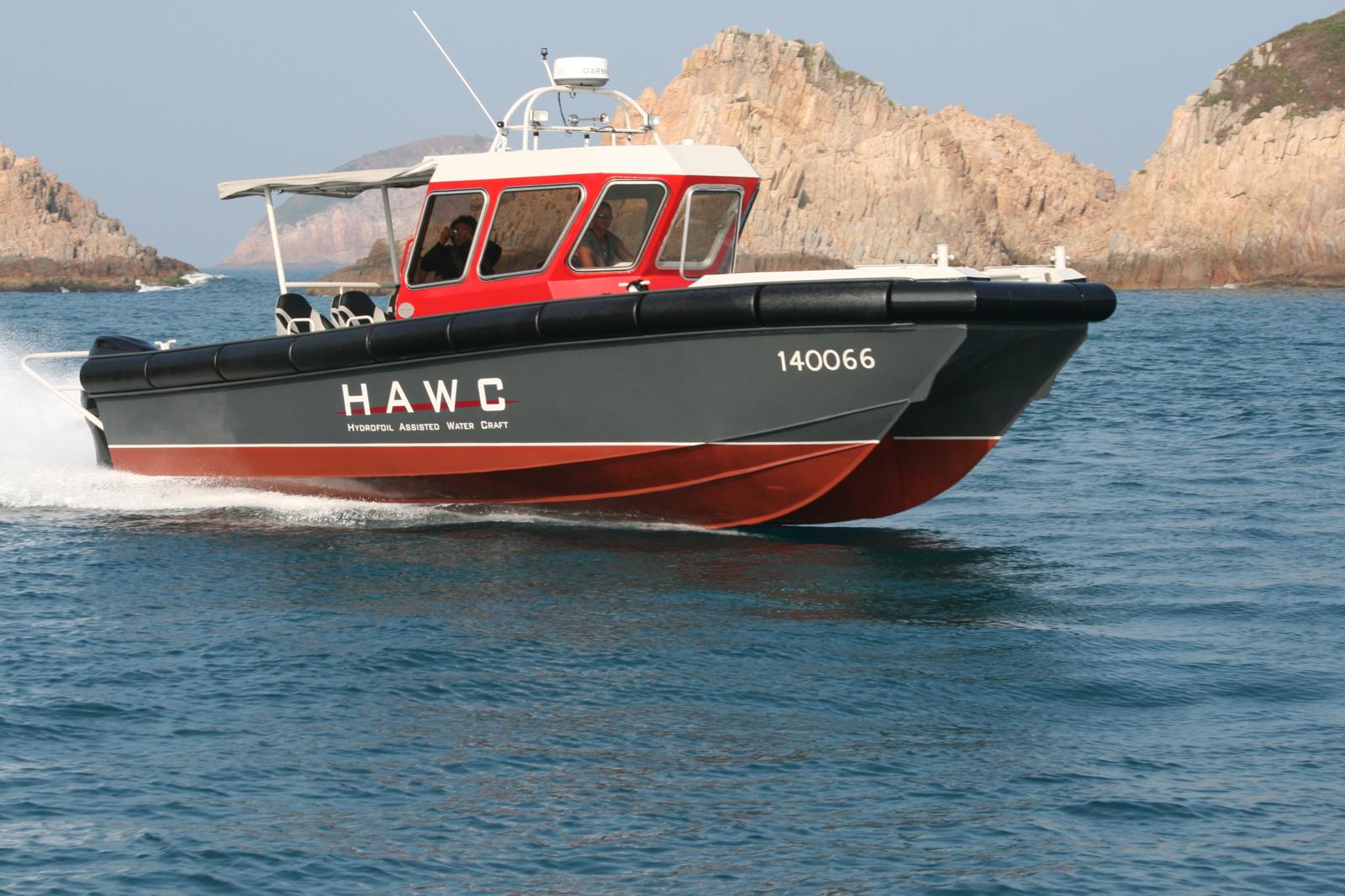
Kutt aims to electrify high-speed commercial vessels and address the fast-charging bottleneck via floating battery energy storage in marinas or piers, which he calls “charge barge.” Besides charging systems, KMIC also specializes in high-speed foil vessels. The firm has started fundraising talks with strategic players and remains open to venture capital investment.
New Marina Projects to Turbocharge Yacht Economy
Benjamin Wong, Head of Transport Logistics and Industrial at Invest Hong Kong (InvestHK), acknowledged berth shortages and overcrowded marinas. The government’s plan for four new marinas – Skytopia, Hung Hom, Aberdeen and Lamma Island – will add about 1,200 berths.
Wong emphasizes that green energy will be part of tender requirements, but the extent depends on industry input. He sees opportunities in retrofitting for green energy and fractional ownership models to broaden participation beyond ultrawealthy owners.
Ken Ip, writing in China Daily, argues that Hong Kong’s 1,180km coastline and islands make it ideal for yachting. The global superyacht market is forecast to double from USD 21.6bn in 2025 to USD 45.2bn by 2032, with strong AsiaPacific growth. Each visiting superyacht unleashes spending across insurance, hospitality, and legal services.
Wong explained that Skytopia – situated on the island of Chek Lap Kok, home to Hong Kong International Airport – will be the largest of the four projects, with around 600 berths spread across four subareas, with one of them able to host superyachts up to 120 meters.
Seen as a launch point for Greater Bay Area cruising, Skytopia will enable direct jettoyacht experiences. Plans to include an art hub and storage facility modeled on Geneva’s Freeport as well as a water recreation area for windsurfing and leisure sports are expected to diversify revenue streams.
The second marina project in Aberdeen – a location that already hosts major marina facilities and shipyards – will provide about 200 berths for boats up to 50m, plus affordable mooring spaces. Wong noted its proximity to Ocean Park and affluent residential areas, making it convenient for existing owners.
Wong sees the third marina project in Hung Hom, facing the iconic Victoria Harbour, as Hong Kong’s “Monaco moment.” Wong described its skyline and mountain vistas as ideal for a “see and be seen” destination.
Industry stakeholders, Stachurska and Chow, see the Hung Hom project as the most exciting near-term concept, with unmatched lifestyle appeal and visibility. Its centrality and urban ambience make it highly attractive for international events.
A fourth project will transform a former quarry in Lamma Island into a manmade lake for water sports, lowdensity residential, and a marina embedded in an ecotourism setting. Wong described it as nature and sustainabilityled, offering differentiation from other projects.
Hong Kong’s government has responded to longstanding industry calls for more berths. Wong notes that overcrowded marinas have constrained growth, and new projects will accommodate larger yachts. The Chinese mainland government is also streamlining customs, immigration, and quarantine (CIQ) procedures.
Crossboundary cruising is another priority. Chow expects official release of procedures soon, requiring VHF radios, AIS tracking, and predeparture surveys. A trial flotilla of 20-30 yachts is planned to validate routes. Integration with the Greater Bay Area could unlock multistop itineraries and regional tourism flows.
Note for reader: This article is licensed under a Creative Commons Attribution–NoDerivatives 4.0 International License (CC BYND 4.0), allowing redistribution with attribution but no modifications.
ALL RIGHTS RESERVED ©
