Nine days, two cities, six African start-ups and one goal: to build concrete bridges between two innovation ecosystems. From 20 to 28 June 2026, BeEntrepreneurs APS is bringing the six winning teams from Next Generation Africa 2025 to Milan and Bologna. This acceleration programme selects the most promising start-ups from sub-Saharan Africa each year and guides them through an intensive programme of training, mentorship and pitching.
The 2025/2026 edition took place in Tanzania: a week-long bootcamp in Dar es Salaam (August 2025) involved 10 volunteers and 25 start-ups selected from over 672 applications from 19 African countries – a 50% increase on the previous edition. The final demo day, hosted at the Nafasi Art Space, saw the six teams selected to travel to Italy.
The six featured start-ups
Six teams, six solutions already tested in the market, and concrete business models for strategic sectors: healthcare, agritech, supply chain, healthcare IoT, nutrition and social enterprise. All share an approach that starts with real-world problems to build scalable solutions for the entire African continent.
MariTest (Kampala, Uganda) has developed a portable, non-invasive device that diagnoses malaria in under two minutes using AI-powered biosensors, without the need for blood, reagents or medical waste. In 2022, whilst on placement on a remote island in Uganda, Hakeem Kakooza contracted malaria. The only local clinic had run out of diagnostic kits: no tests available, no functioning laboratory, no technicians. Kakooza risked his life waiting for a diagnosis that never came. That experience changed him. “I realised that malaria isn’t just a health issue: it’s a threat to education, the economy, and life itself. In Uganda alone, 50% of school absenteeism is caused by malaria,” says the startup’s founder and CEO. From that experience, MariTest was born: a portable, non-invasive device capable of detecting malaria in under two minutes, without blood samples, without chemical reagents, and without medical waste. The system uses AI-powered biosensors and can be operated even by those without specialist healthcare training – exactly the type of operator found in rural communities where the disease is most prevalent. The prototype has achieved 80% accuracy across more than 1,800 patients, with a partnership already signed with Oxford University Innovation. The next step is a clinical trial involving over 1,000 patients and regulatory approval, with deployment planned in Uganda, Kenya and Rwanda. The malaria diagnostics market in sub-Saharan Africa is worth around $500 million a year and requires over 250 million tests annually. MariTest aims to redefine the infrastructure.
Lishe360 (Dar es Salaam, Tanzania) develops baby food enriched with local superfoods to combat malnutrition, and has an active community of over 260,000 parents. In 2017, Simon Mbangalukela was studying chemical engineering at the University of Dar es Salaam. During a break, he went home and saw his sister, a new mother, struggling with a simple yet often overlooked problem: she didn’t know how to feed her baby properly. Simon searched for resources online but found only content designed for other countries, which was not applicable to the Tanzanian context. He began gathering information, shared it with his sister, and it worked. Then he asked himself: how many other families have the same problem? The problem is enormous. In Tanzania, more than 58% of children under five suffer from ‘hidden hunger’: they are fed regularly, but with foods lacking essential micronutrients. The consequences – such as stunting, a compromised immune system and slowed cognitive development – have lifelong repercussions and cost the country tens of billions of dollars in lost productivity. Lishe360 addresses this in two ways. The first is a physical product: baby food enriched with local superfoods such as hazelnuts, almonds and cashews, formulated to address precisely those deficiencies. The second is a digital nutrition education platform that currently reaches over 260,000 parents through free communities on WhatsApp, Facebook, Instagram and TikTok. Both the founders of Afya Ya Mnyama and Lishe360 have been recognised among the Top 75 agripreneurs of the 2025 GoGettaz Agripreneur Prize, one of the most prestigious awards for African agricultural entrepreneurship. The figures speak for themselves: over 100,000 units sold, $430,000 in revenue in just over two years, 50% growth over the last two years, and already profitable. Simon and his team are coming to Italy to seek distributors, retailers and investors focused on children’s health.
TruSource (Nairobi, Kenya), a cloud-based platform for farm-to-fork traceability of agricultural exports, which reduces compliance costs by up to 60%. Up to 30% of African agricultural exports are rejected at European and American ports of entry. This is not due to product quality issues, but to a lack of documentation, gaps in traceability, or errors in cold chain management. In East Africa, an exporter handles on average over twelve documents per shipment – almost all of which are still on paper – and spends more than 85 hours a week on manual paperwork. The result: shipments held up, perishable cargo lost, and international markets inaccessible to thousands of small producers. TruSource replaces this fragmented system with a cloud-based platform that connects every stage of the supply chain, from the farm to the final destination, creating a continuous record of origin, movement and storage conditions. The system automatically generates compliance documentation and integrates with major international logistics operators such as Maersk, MSC and CMA CGM. It already supports the requirements of the new European Union Deforestation Regulation (EUDR), which from December 2025 will require all exporters to the EU to demonstrate full traceability of their supply chains. The market is urgent: large and medium-sized enterprises must be compliant by 30 December 2026, and micro and small enterprises by 30 June 2027. TruSource is already positioned to become the go-to compliance infrastructure for African agricultural exports to Europe. Result: compliance costs reduced by up to 60%, operational efficiency increased by 40%. The team is coming to Italy to seek out agri-food corporations, international logistics operators and investors with expertise in B2B SaaS and agricultural supply chains.
Vortan (Arusha, Tanzania) is developing an IoT ecosystem that connects medical devices to hospital systems in real time, with instant emergency alerts. Daniel Mkongo, a mechatronics engineer with eight years’ experience in embedded systems and AI, illustrates the problem with a concrete example: in East African hospitals, there are ventilators, vital signs monitors and infusion pumps, but none of these devices communicate with one another or with the hospital’s information systems. Doctors have to physically move from one device to another, read the figures by hand and transcribe them onto paper. In an intensive care unit, where every minute counts, this is not an organisational problem: it is a direct clinical risk. Mkongo has been recognised as one of Tanzania’s Top 100 Change Makers by Serengeti Bytes. MediLink, the product developed by Vortan, solves this problem by transforming any medical device—regardless of brand, age or protocol—into a source of real-time data. The platform aggregates signals, generates configurable instant alerts, produces AI-based predictive insights and works even where the internet connection is unstable or absent, thanks to LoRa technology. This is not a prototype: three hospital pilot schemes have been successfully completed and Vortan has already received purchase orders from several healthcare facilities. In Italy, the team will be seeking partners in the medical technology sector, distributors of medical devices and investors with expertise in digital health for emerging markets.
Afya Ya Mnyama Digital (Morogoro, Tanzania), a livestock monitoring platform using smart sensors and AI analysis to optimise productivity and animal health. Maganga Mabula is a vet who grew up in Morogoro, an agricultural region in central Tanzania. He knows from first-hand experience how livestock health management works – or doesn’t work – in rural areas: a farmer only discovers that his animal is ill once it is already showing visible symptoms, often when it is too late to intervene without incurring high costs. Veterinary services are scarce and often out of reach. In Tanzania, annual losses due to livestock diseases exceed $150 million; globally, animal diseases cost $300 billion a year. “A farmer doesn’t need to understand AI. He needs to receive a text message telling him that his cow has a fever before he notices it himself,” he says. The Mnyama Check platform uses sensors attached to animals, in the form of ear tags or ruminal boluses, to continuously monitor temperature, movement and behaviour. AI analyses the data and detects early signs of illness or stress before they are visible to the human eye. The farmer receives an alert on their phone. This transforms livestock management from reactive to preventive, bringing precision farming to small-scale farmers. The results in the field are already tangible: over 3,500 sensors sold, more than 9,000 animals monitored, and 150 certified veterinarians on the platform. The project has received a $55,000 grant from Carnegie Mellon University Africa and the Ifakara Innovation Hub, and has been selected among the Top 75 of the 2025 edition of the GoGettaz Agripreneur Prize, the most important competition for African agricultural entrepreneurship, alongside Lishe360. The team is coming to Italy to seek agritech investors, partnerships with cooperatives and institutions, and access to international distribution networks.
Impactio (Nairobi, Kenya) – A SaaS platform that automates administrative processes for NGOs and social enterprises, linking funding to on-the-ground activities in real time. Peter Kanda and Sarah Njeri, the two co-founders of Impactio, both come from the world of international development and have first-hand knowledge of the fundamental contradiction within the non-profit sector: organisations that manage millions of euros to change the world, yet operate using Excel spreadsheets, non-integrated accounting software and manual reporting that takes weeks to complete. The paradox is that the more an organisation grows, the more unsustainable this inefficiency becomes. The problem is of continental proportions. In Africa, the non-profit and social enterprise sector manages billions in development funding every year, but the continent loses around $89 billion annually to illicit financial flows, and the lack of transparency and traceability in management systems contributes structurally to the problem. Donor trust erodes every time reporting is incomplete, delayed or inconsistent. Impactio is built to solve this. The SaaS platform integrates financial management, field activity planning, human resources, and impact monitoring and evaluation into a single environment, linking funding directly to operational activities in real time and automating reporting to donors. The result: a 50–70% reduction in the time spent on manual reporting and a 30–50% reduction in data entry. The product is already operational, with Finance, HR, Programs and MEAL modules live and the first post-revenue SaaS clients acquired. With approximately $20,000 in ARR already in the first quarter of 2026 and a target of $100,000 by the end of the year, Impactio is seeking partners in Italy within the international cooperation sector, as well as foundations and investors with expertise in SaaS for the non-profit sector.
The roadshow programme featuring Startup Africa Day
The roadshow will take place over nine days in Milan and Bologna, featuring B2B sessions with investors and corporate partners, site visits, and participation in We Make Future and Startup Africa Day, the public event taking place in Milan on 23 June at the Parco Center.
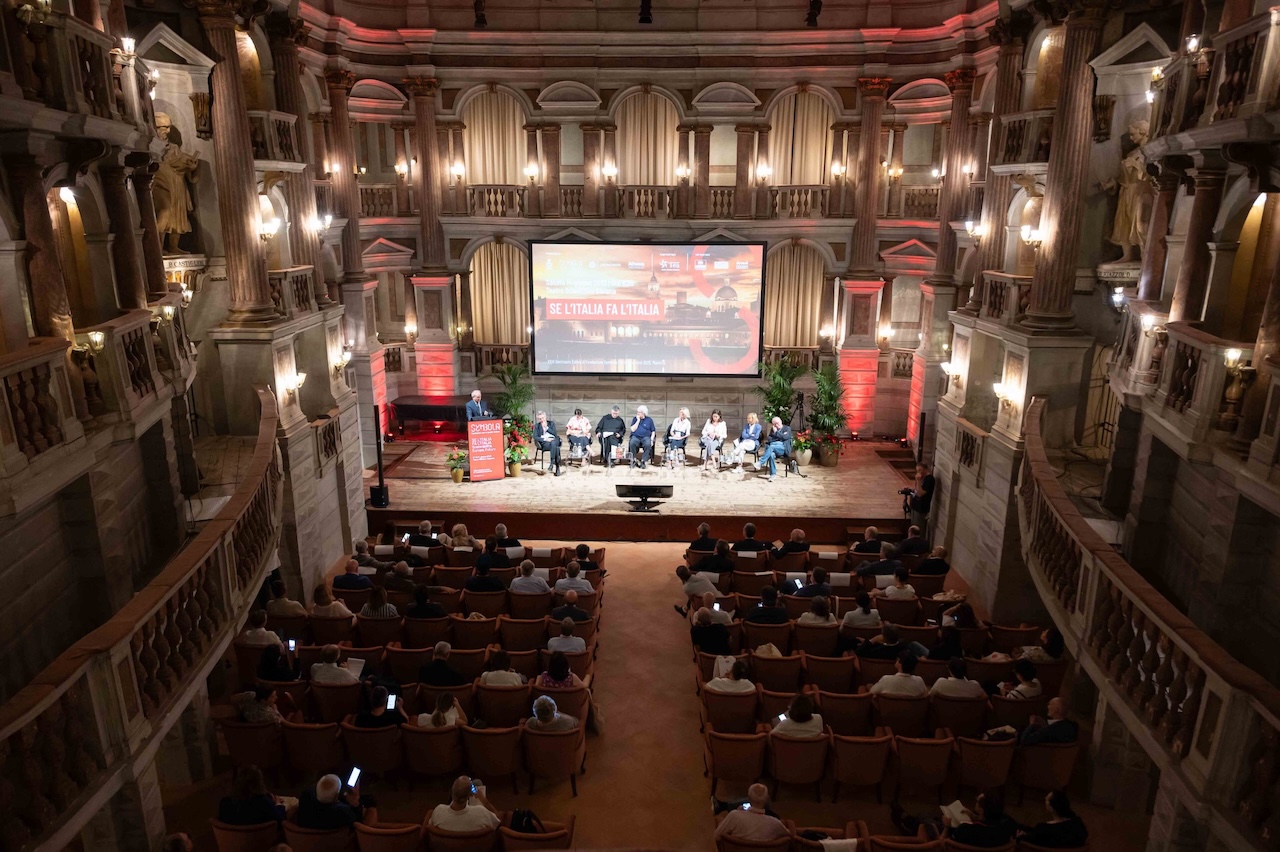
The highlight of the roadshow is Startup Africa Day, the only event in Italy entirely dedicated to African innovation. It will take place on Tuesday 23 June 2026 at Parco Center in Milan, in partnership with In Africa.
The evening’s programme includes pitches from six African start-ups, keynote talks focusing on the heart of African innovation, and an Italian-Senegalese themed networking cocktail reception. Confirmed speakers include: Albert Antwi-Boasiako (e-Crime Bureau), Neo Mooki (Botswana Stock Exchange) and Sharon Tumushabe (Legacy Hills Investments): leading figures in the fields of African cybersecurity and digital governance, international finance and impact investing respectively. Voices diverse in background and geography – from Ghana to Botswana, via the emerging markets of East Africa – which together reflect the complexity and vitality of a continent undergoing profound transformation.
“For almost ten years, we have been building this bridge between Italy and Africa. It’s about people coming together, ideas intermingling, and opportunities arising from conversations that would otherwise never have taken place. The Startup Africa roadshow is proof that collaboration between ecosystems can generate real value. The six start-ups arriving this year are the best proof that African innovation does not need to be discovered – it needs to be engaged with and supported. And we are convinced that the meetings over the coming weeks will give rise to lasting partnerships between the two continents,” says Andrea Censoni, president and co-founder of BeEntrepreneurs APS
The 2026 Roadshow is organised with the support of In Africa, BIP, Primo Capital, Prolaw and SearchOn, and under the patronage of the Italian Embassy in Dar es Salaam. During the week, the six start-ups will meet a selection of over 80 impact investors, foundations, angel investors, start-ups, companies and Italian corporations, offering a unique opportunity for matchmaking between the Italian innovation ecosystem and the best entrepreneurial organisations in East Africa (Startupbusiness is the project’s media partner).
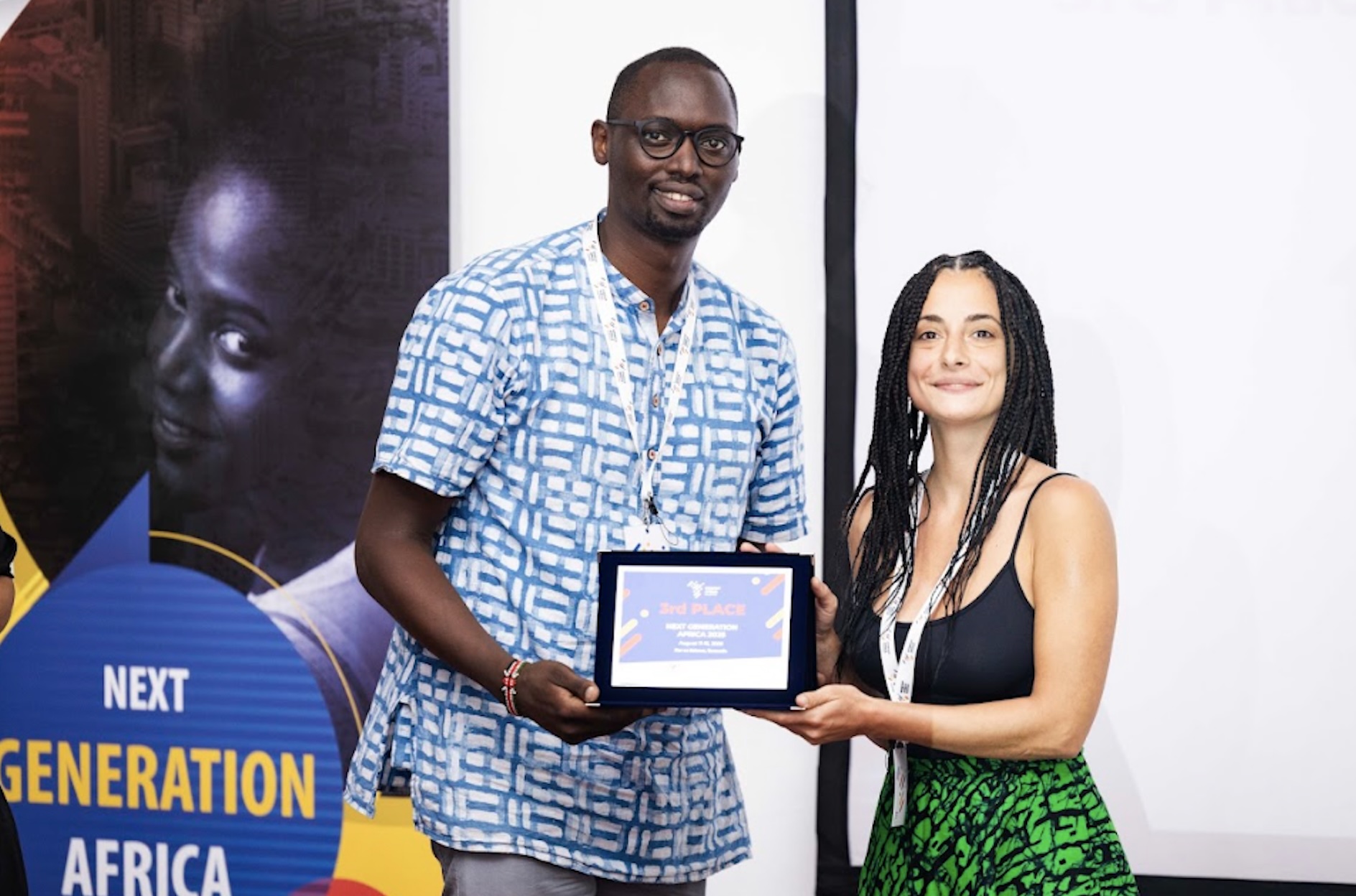
Since 2017, BeEntrepreneurs APS has trained over 450 entrepreneurs, half of whom are women, accelerated 150 start-ups across seven African editions spanning six countries on the continent, and organised four editions of the Italian roadshow. Start-ups that have graduated from the programme have raised a total of over €17 million in investments and grants. In 2025, BeEntrepreneurs received the second Award for Excellence in Training from AIF, the Italian Association of Trainers, in recognition of the value of the Startup Africa Roadtrip project as a high-impact training model for entrepreneurial development in Africa (pictured: a moment from the Next Generation Africa 2025 awards ceremony).
ALL RIGHTS RESERVED ©