Table of contents
Singapore-based Perpetual Space Ventures plans to raise up to $50 million for its first investment vehicle, the PSV ASEAN Space Fund I, which could become the region’s first venture capital fund entirely dedicated to space technology start-ups. This was revealed by founder and managing partner Ron Chiong on the sidelines of the LEAP East event in Hong Kong.
Structured as a sub-fund under Altius Capital VCC, the vehicle is designed to attract qualified investors and aims to generate a gross return in excess of 3x MOIC (multiple on invested capital, ed.) and an internal rate of return of 25–30 per cent over a six-year horizon, extendable by a further two years. The fund charges a management fee of 2% and a carried interest of 20% on returns exceeding a hurdle rate of 8%.
The fundraising has already begun, and Perpetual Space Ventures has opened its doors to placement agents to broaden its investor base, adds Chiong. The indicative timeline envisages commitments in the coming months, with the first investments to follow shortly afterwards.
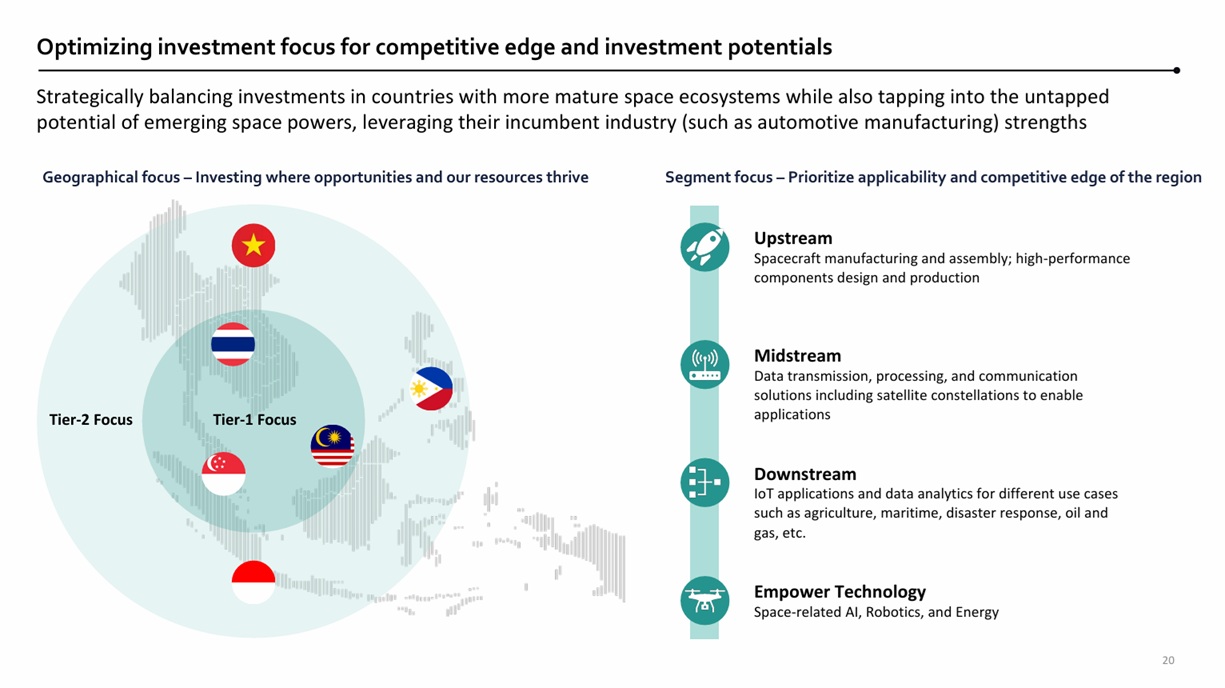
The portfolio will be structured to prioritise six to eight core investments across the entire space technology value chain, from upstream production to downstream applications, with 80 per cent allocated to Series A–C companies with a Technology Readiness Level (TRL) of 5 or above, and the remainder to ‘moonshot’ initiatives at a more embryonic stage.
Exit strategies will include divestments to international players, acquisitions by strategic buyers and, in some cases, the option to retain long-term holdings for investors interested in the sector’s growth trajectory.
Direct operating model and sourcing from the ecosystem
Based in Singapore, Perpetual Space Ventures aims to be a pioneer in the emerging space economy of the ASEAN countries (the Association of Southeast Asian Nations, which comprises Indonesia, Malaysia, the Philippines, Singapore, Thailand, Brunei, Vietnam, Laos, Myanmar, Cambodia and East Timor, ed.).
The model is based on a ‘high-touch’ approach: working closely with the founders of start-ups not only as investors, but also as technical and operational partners. The fund intends to leverage its network of government agencies, universities, supply chain partners and industry associations to generate deals and accelerate the growth of its portfolio.
The origination process follows a top-down public-private partnership model. Local governments are encouraged to nominate start-ups that align with national innovation agendas, whilst space agencies may nominate companies that are consistent with strategic priorities. Universities and research centres will contribute promising spin-offs, and industry organisations will highlight initiatives that strengthen supply chains.
This ecosystem-led sourcing ensures alignment with national policies and greater transparency for investors. Perpetual Space Ventures also plans to co-organise conferences and capacity-building programmes with government agencies, positioning itself as both a financier and an ecosystem builder.
ASEAN’s strategic role in space
The investment case for space technology in ASEAN is underpinned by a number of structural advantages. The region’s economies are growing rapidly, and ASEAN is set to become the world’s fourth-largest economy by 2030.
Governments are shifting their focus from traditional sectors such as the automotive industry towards high-value sectors, including aerospace and advanced technology. The country’s equatorial location offers ideal conditions for satellite launches, whilst its political neutrality attracts international capital.
According to Deloitte, satellite data alone could contribute nearly $100 billion to ASEAN’s GDP by 2030, mainly through applications in agriculture and public services. Remote connectivity remains an urgent priority, with satellite constellations set to bridge the gaps in education, e-commerce and telemedicine in rural areas.
Globally, the commercial space industry is set to exceed one thousand billion dollars by 2035, reaching the scale of the aviation and renewable energy sectors. The fall in launch costs and increasing accessibility have opened up the sector to private companies, with venture capital accounting for over 90 per cent of investment deals in space technology in 2024.
Within ASEAN, the volume of transactions has increased four- to five-fold over the past three years, particularly in the early stages, highlighting the region as fertile ground for investors seeking financial returns and strategic exposure.
A dual-track strategy and active engagement
Perpetual Space Ventures’ dual-track strategy reflects this scenario. Core investments will focus on companies with operational products, recurring revenue and government or agency contracts, offering exposure to limited risk and stable growth.
Non-core ‘moonshot’ initiatives will support companies with minimum viable products that require further engineering refinement, where direct support from the fund can reduce operational risks and unlock higher returns.
The characteristics sought in core companies include proven market demand, recognition within the ecosystem and experienced leadership; moonshots, on the other hand, must demonstrate innovative ideas, scalability potential and strong founding teams, Chiong explained. In addition to capital, the fund promises active involvement: technical advice, operational support and strategic mentoring, going well beyond the typical role of a board observer.
By maintaining an ongoing dialogue with stakeholders across the ecosystem, Perpetual Space Ventures aims to align its portfolio companies with national space strategies and the wider needs of the industry. This collaborative approach seeks to create sustainable businesses with multiple exit strategies, rather than focusing solely on the valuation game.
ASEAN’s vulnerabilities, ambitions and geopolitical realities make space development a strategic priority. From natural disaster risk management to precision agriculture, the downstream applications of space technology are already improving the quality of life in the region.
As Pakorn Apaphant of Thailand’s Geo-informatics and Space Technology Development Agency points out, space is no longer a distant realm but is closely linked to everyday life. For investors, this translates into tangible opportunities in sectors where satellite data, IoT applications and communication solutions are becoming indispensable.
Perpetual Space Ventures is positioned at the intersection of these trends, offering investors a platform to capitalise on the benefits of the ASEAN space economy. The fund’s launch comes at a time when governments are actively promoting national ecosystems, international players are seeking a regional foothold, and venture capital is increasingly driving commercialisation.
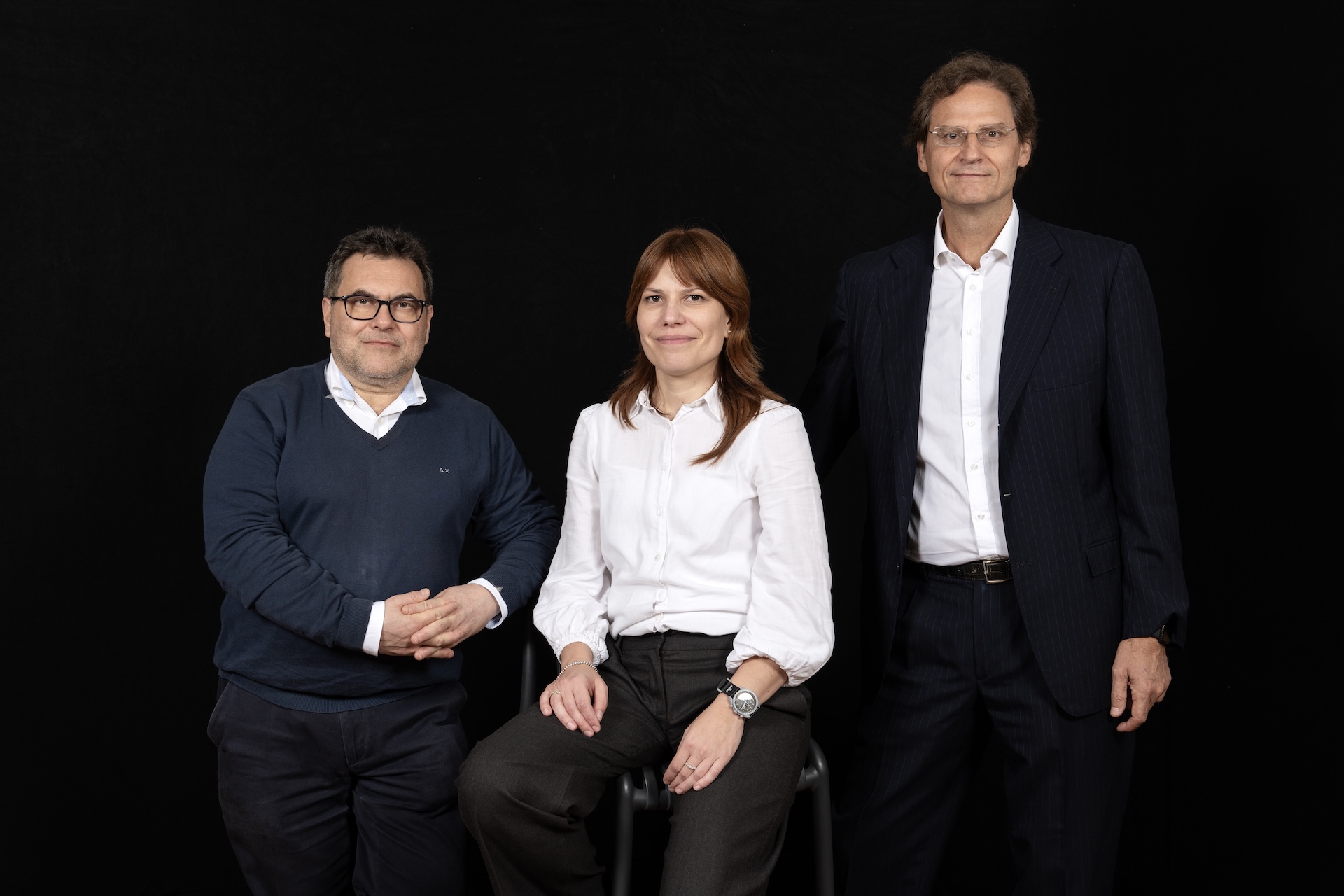
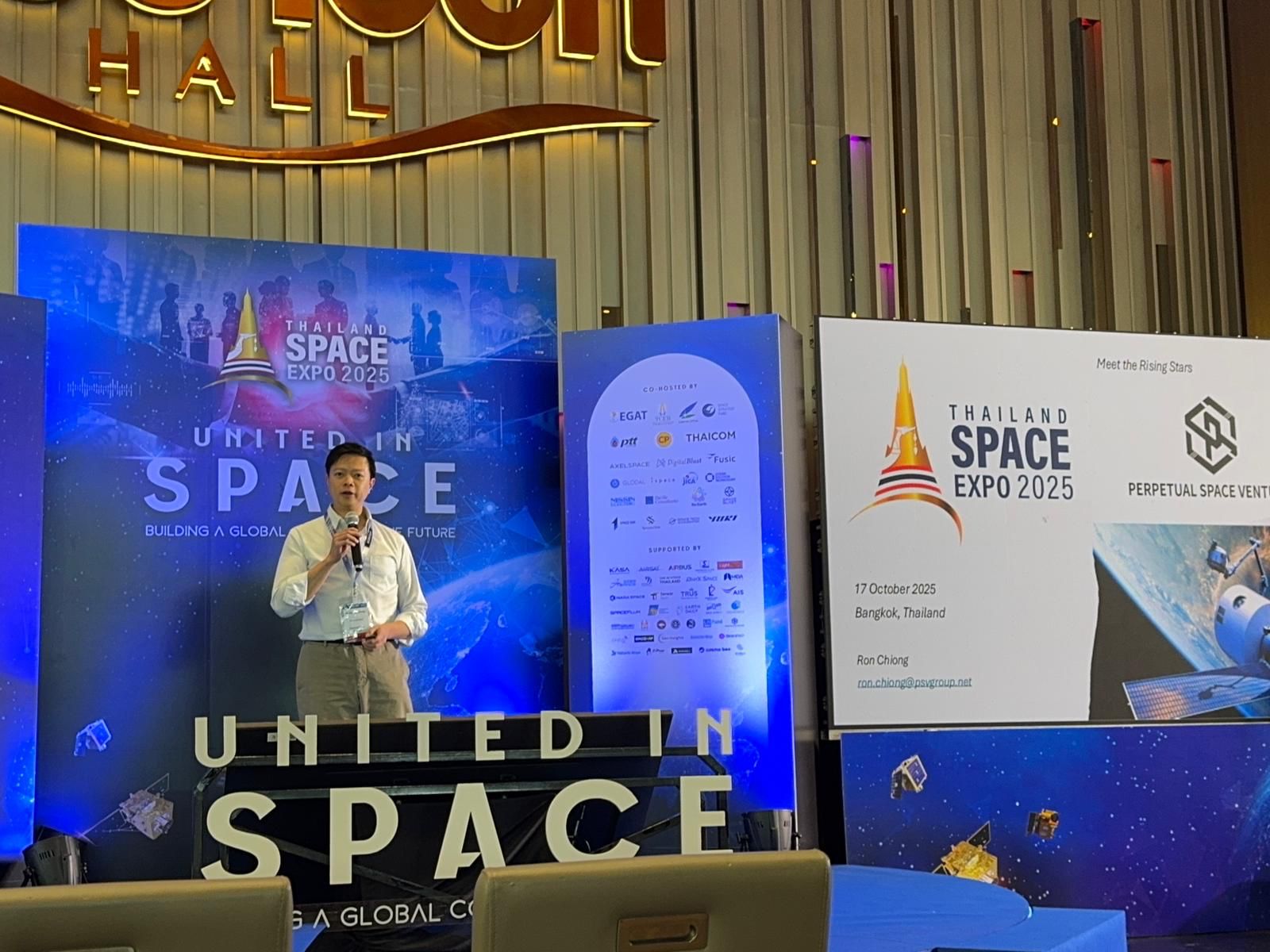
For placement agents, family offices and institutional investors, the PSV ASEAN Space Fund I offers an opportunity to participate in the new frontier of venture capital. “Every company of the future will be a space company, and ASEAN is ready to claim its place in that future,” concludes Chiong (pictured).
ALL RIGHTS RESERVED ©