Taiwan Sugar Corporation (Taisugar), founded in 1946, has evolved from the sugar industry towards a model based on the circular economy and sustainable energy. It combines agriculture, biotechnology and housing development, making the most of local resources and the local area in line with the principles of contemporary social design.
Fengyu Group, founded in 1986, combines construction, engineering and design to create sustainable, high-quality environments. The firm specialises in public infrastructure and cutting-edge technology projects, with a particular focus on structural precision and materials. The NTU Humanities Hall project was awarded the ACI 2025 prize.
Bio-architecture Formosana (BaF), founded in 1999, combines architecture and sustainability in accordance with the principles of the circular economy. Through low-carbon strategies, material reuse and flexible use of space, it develops projects that reduce environmental impact and generate ecological, social and economic value. In Milan, a new chapter in this project is beginning, opening up new possibilities for the future of living.
The Department of Design at the National Taiwan University of Science and Technology (NTUST), founded in 1991, promotes an interdisciplinary approach that combines theory and practice. The Glowrise project, created by Kai-Xiang Yang and Shiang-Ting Huang, draws inspiration from the Puyuma Aboriginal culture, transforming ritual fire into light and creating a dialogue between cultural memory and contemporary design.
Hony Glass Technology, founded in 1978 in Taiwan, specialises in advanced glass processing and optical applications. It offers integrated solutions for displays and touch panels and is expanding into the semiconductor and photovoltaic glass sectors. In collaboration with NTUST and T12lab, it is exploring the potential of solar glass in sustainable design.
Techmation, together with its Italian subsidiary EEI, develops integrated power electronics and energy systems solutions. Used in the renewable energy and industrial sectors, these technologies support the integration of energy into sustainable architecture and infrastructure.
Wynist, with over 40 years’ experience in the retail sector, transforms textile, marine and agricultural waste into innovative panels for interiors and exhibition spaces. Through design and upcycling, it redefines the value of materials, developing sustainable solutions and collaborating with Italian designers on interdisciplinary projects.
Lotos is a brand owned by Techome that develops mineral-based cladding and surfaces using local resources from Taiwan. By combining research and technology, it creates solutions for architecture and interior design. At this exhibition, it is presenting a light installation inspired by coral and is contributing to Casa Taiwan’s “Light Theater” performance.
Yatung Ready-Mixed Concrete develops high-performance, low-emission concrete through optimised formulations and processes. When applied to buildings and infrastructure, it strikes a balance between technical performance and environmental impact, contributing to a more sustainable and forward-looking construction industry.
These are the nine companies, organisations and institutions behind Casa Taiwan, an initiative launched to coincide with Milan Design Week, which runs from 21 to 26 April and is organised by the Taiwanese Trade Association in Italy in collaboration with T12 Lab, a Milan-based organisation with a long-standing commitment to urban regeneration and artistic practices.
During the exhibition, the Italian Chamber of Commerce in Taiwan will facilitate meetings and collaborations between the building materials industries of Taiwan and Italy, promoting dialogue and international cooperation, and positioning Taiwanese companies as key partners in the field of sustainable architecture and design. The exhibition layout, created by a team of Italian designers, combines Italian spatial aesthetics with Taiwanese cultural imagery and sustainable materials, creating symbolic and experimental exhibition structures in which design, culture and materials technology coexist in perfect harmony. The project comprises 200 m² of indoor theatre and exhibition space and 1,500 m² of outdoor garden. Inside, the finest sustainable materials and Taiwanese design firms will be showcased, highlighting Taiwan’s innovation in recyclable materials, green architecture and product research. Not limited to commercial exhibition alone, it also features the academic world with Yang Jinhuai from the National Taiwan University of Science and Technology, who, together with Elisabetta Bianchessi from T12 Lab, will create an interactive experience with an energy-saving glass photovoltaic house.
For the first time, the authentic culture of Taiwanese lanterns will be brought to Italy, inviting design professionals and the public to immerse themselves in its magic and discover the unique charm born from the fusion of Taiwanese culture and sustainable design. This is thanks to the participation of the Puzhi Cultural & Historical Research Association and the 88 Art Therapy Studio in Tainan, which, through years of cultural research and community activism, have promoted and preserved precious Taiwanese folk traditions. Their Fucheng Lantern Festival, ranked among the ‘Top Ten Lantern Festivals in Taiwan’, has received national and international recognition. For the first time, Taiwanese lantern culture comes to Milan, transforming the outdoor garden into a sea of lights representing the memory of the region, integrating digital innovation, interactive art and lighting design for an immersive experience blending culture and the senses.
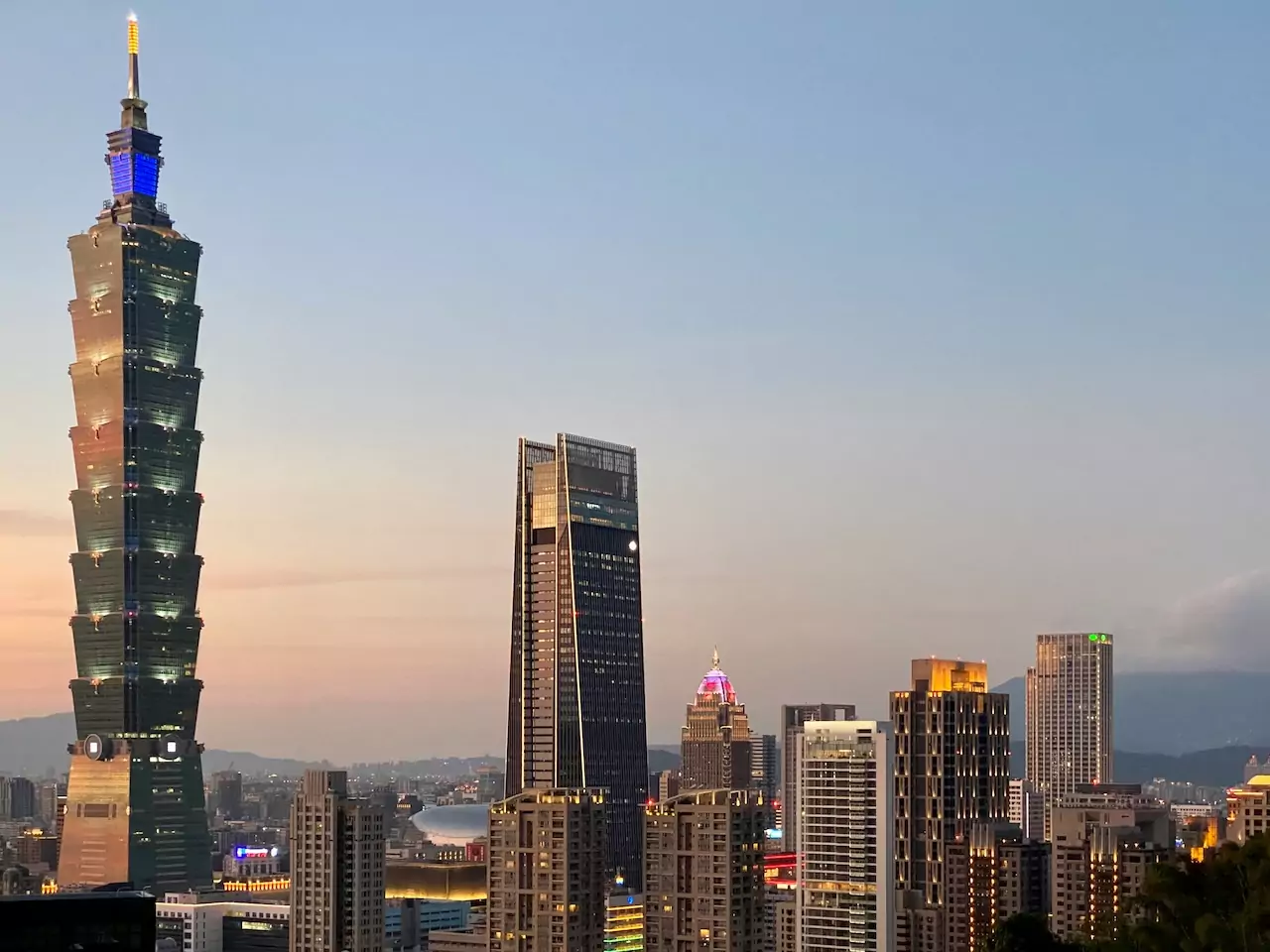
The project, which serves as a showcase and point of contact between design, innovation and the relationship between Taiwan and Italy, also highlights how the initiatives developed during Milan Design Week are increasingly focused not only on design-related aspects, but also on innovation and technology. Casa Taiwan has been created in collaboration with Taiwan in Milan, the Representative Office in Milan, Taiwan-Italy Chamber of Commerce (ACTI), T12 Lab – Architecture and Social Design, Social Design Lab, Laboratorio Silenzio, Puzhi Cultural & Historical Research Association, 88 Art Healing Institute, Advantech Foundation, Taiwan Sugar Corporation, Fenguy Group, Bio-architecture Formosana, Techome Technology (Lotos), Hony Glass Technology, Wynist Retail Solutions, EEI, Yatung Ready-Mix Concrete, The Green Box, Inm Bem Industrial, National Taiwan University of Science and Technology, SYM, EVA Air, Taiwanese Students Association in Milan / Taiwanese Association in Milan, BAOMI, and with the support of Startupbusiness. (pictured: the Taipei skyline, photo by my nguyen on Unsplash)
ALL RIGHTS RESERVED ©