The journey continues to discover Genoese and Ligurian companies that are innovating in collaboration with Fondazione Genova Startup.
Taking robotics out of the laboratory and turning it into tangible products to tackle real-world problems. This is the aim of Unconventional Minds, a robotics venture studio founded in Genoa to create and develop start-ups in the service robotics sector.
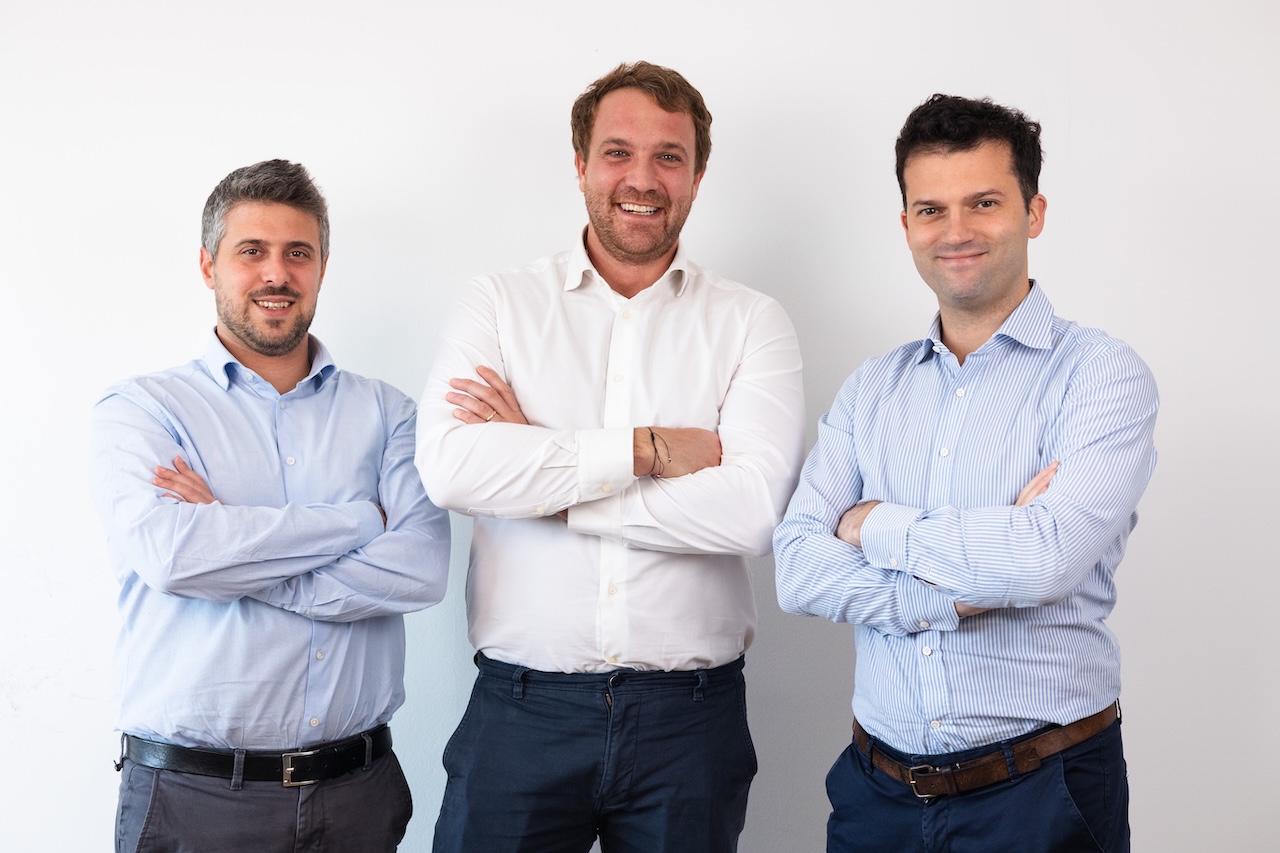
The company was founded by Paolo Guria, Saverio Murgia and Valentina Sciutti from Genoa, together with a team of local professionals – including designers, researchers and entrepreneurs – who have been collaborating on joint projects for years. They bring with them experience gained within Genoa’s research and robotics ecosystem, including at the IIT and the University. A group of angel investors from Liguria has already backed the initial bootstrapping phase.
The decision to base the company in Genoa is described as a strategic one: “We believe in the city and its expertise,” explain the founders. “Genoa offers a significant competitive advantage for hardware developers: more affordable costs and a network of high-quality suppliers, which is essential when the aim is to bring reliable and scalable robots to market.”
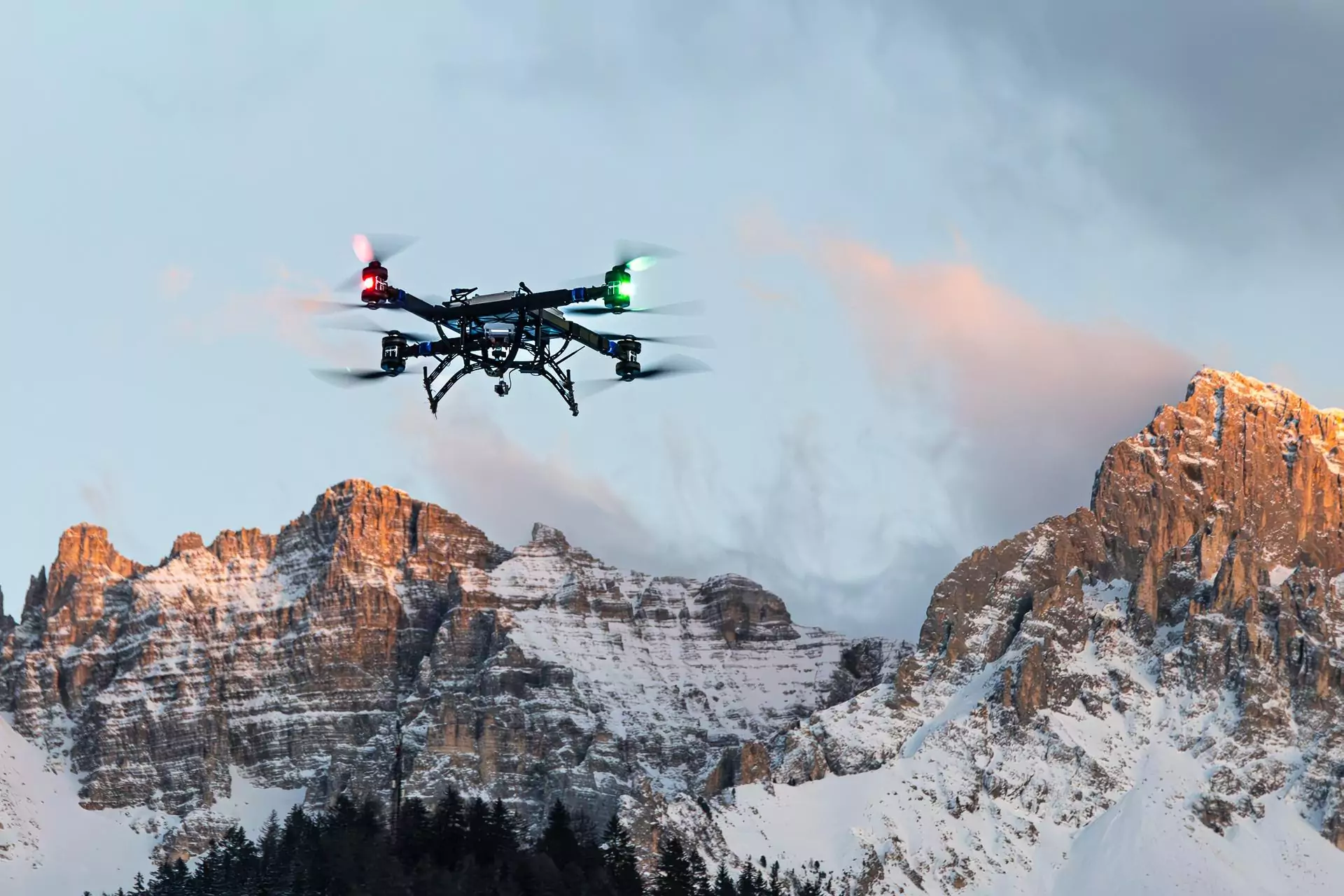
Unconventional Minds focuses its pipeline on high-growth markets, such as healthcare, agritech, greentech and foodtech, which require automation partly due to the gradual decline in the number of available professionals.
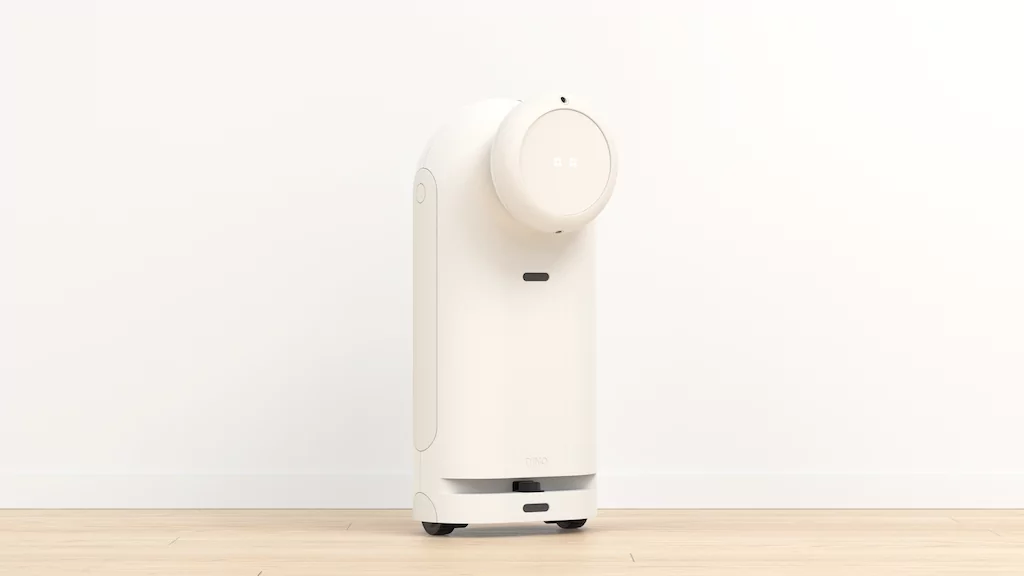
The first start-up developed by the venture studio is D1N0, a robotic social companion designed for elderly people living in isolation at home. It is a mobile, semi-anthropomorphic robot, approximately 1.2 metres tall (pictured), designed to understand and interact with the user, entertain them and support them, including through exercises aimed at preventing neurocognitive decline. Among its planned functions are reminders for treatments, communication management and tools for carers, including telepresence and applications similar to a kind of advanced telephone.
D1N0 also incorporates a proprietary human-robot interaction (HRI) stack – for which a patent application has already been filed – based on kinetic, visual and auditory signals. Privacy is also a key consideration: sensitive data is processed entirely on the robot itself, whilst the cloud is used exclusively for telepresence via encrypted communications.
“Humanoid robotics is a major frontier and will help us tackle many future challenges,” says Paolo Guria, CEO of Unconventional Minds. “But there are numerous problems that do not require that level of complexity. It is possible to develop vertical robots that are simpler, less expensive, scalable and immediately useful, capable of coexisting alongside humans and even the most complex humanoid robots.”
According to Guria: “The aim of the venture studio is to bring start-ups to market with products and intellectual property that have been validated in the field, by designing scalable industrial partnerships from the outset and building a modular technology stack that can be reused across different sectors. D1N0 was not designed as a surveillance device, but as a reliable presence in the home. The difference is substantial: elderly people and their families do not need to feel monitored like parcels, but to have someone to keep them company and who can promptly alert a trusted person when something is wrong.”
The team is finalising the first prototype of D1N0 and plans to begin pilot trials with elderly people by August 2026, with a view to launching the product in mid-2027. In addition to D1N0, Unconventional Minds is developing two further agritech start-ups and has already begun discussions with industry professionals to design products tailored to users’ actual needs.
At the same time, the company has launched a seed funding round to finance the expansion of its pipeline and accelerate development and trials across the region. The venture studio is also working on a modular technology stack to reuse key components across different projects, thereby reducing development times and costs from one start-up to the next.
ALL RIGHTS RESERVED ©