Around a third of the taxes paid by Italian taxpayers are spent by the public sector on the purchase of goods and services and on the development of activities such as, for example: medical equipment for hospitals, school supplies, and construction projects ranging from the resurfacing of the road outside your home to major infrastructure works. All of this amounts to around €500 billion in 2025, or roughly 10% of the country’s total GDP, and takes place through procurement procedures run by the public administration and semi-public companies – procedures that are bogged down by a huge amount of red tape required to manage the thousands of tenders launched every day, each of which is accompanied by hundreds of pages to read; companies wishing to participate, and thus bid for the contract, must each time produce dozens of administrative documents to prove that the company meets the eligibility criteria, technical documents to demonstrate that it possesses the necessary expertise, and financial documents to enable it to bid at competitive prices.
“The work involved in a tender process is purely administrative; until two years ago, it could only be carried out by highly qualified individuals, but today, thanks to AI, most of the more repetitive tasks can be automated,” Andrea Zorzetto tells Startupbusiness as he presents the start-up of which he is co-founder and CEO. Called Cato, it positions itself on the market as the first company specialising in the use of artificial intelligence for the management of Italian tenders, built in collaboration with some of the best tender offices and sales teams for public procurement at a national level.
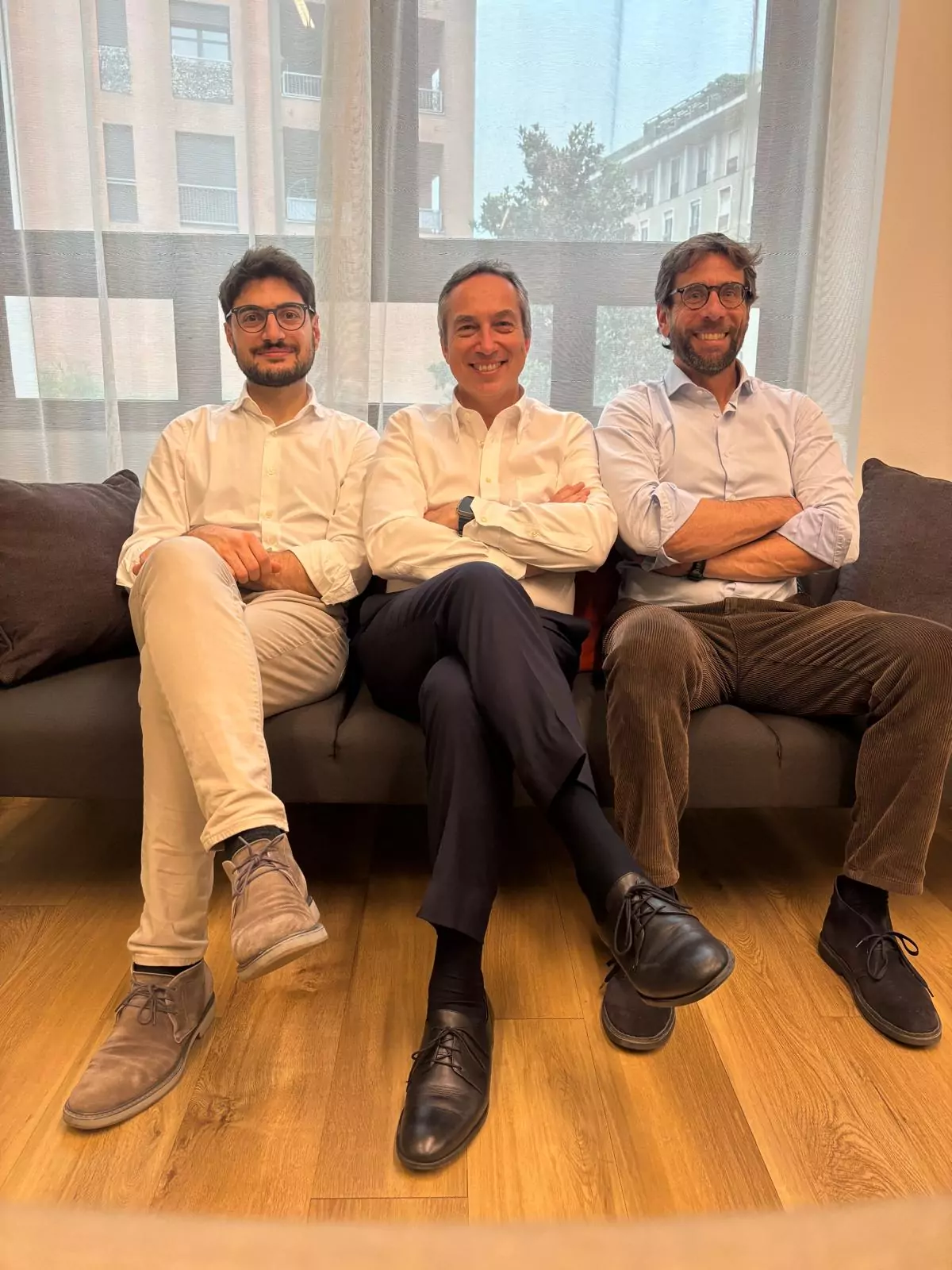
Zorzetto, known for bringing Plug and Play to Italy after spending six years abroad, began working at Cato alongside Matteo Bossolini, who took on the role of CTO and was among the very first to adopt AI tools in programming. They were joined by a team that now comprises 12 people from all over Italy, with experience in start-ups and large companies across Europe (pictured).
“Today we are officially announcing the launch of Cato,” adds Zorzetto, “although it has actually been up and running on the market for some time now, to the extent that we already have over thirty active clients, including Sol, Ivs, CNS and Movi, based in both the north and south of the country. This has allowed us to thoroughly test the effectiveness and efficiency of our platform, which continues to improve over time and is designed to guarantee the total protection of the data of the individual companies that use it.”
Cato has secured a €1.6 million pre-seed round led by Italian Founders Fund, with Heartfelt, Vento, BHeroes, Moonstone, Alecla7, Nova, and over 20 business angels – including other Italian founders – also participating.
“To date, we have mainly worked on tenders for medical devices, medicines, various types of services, IT supplies and construction; the platform is used by over 200 users who are part of the organisations that are our clients; We have filtered over 60,000 tenders, of which over 2,000 have been analysed, generating over 500 documents that have been drafted and completed,” concludes Zorzetto. This results in a significant acceleration of administrative processes, which, paradoxically, has no impact on jobs for two reasons: firstly, it does not replace human activity, as ultimately the documents must always be read, approved and signed before being submitted for tender; and secondly, it must also be said that these skills – those of the people working in the tender departments – are becoming increasingly rare because those who possess them are approaching retirement age, and very few young people are choosing this type of career. Therefore, for companies, turning to sophisticated technological tools is not merely a choice driven by efficiency and opportunity, but one that increasingly appears to be the only viable option.
ALL RIGHTS RESERVED ©