There is less than a month to go before the application deadline for the first edition of Lake Como Venture Lab; you can find all the practical details here.
The programme is aimed at start-ups innovating in mechatronics and medical devices – in other words, medtech – and is run by Confindustria Lecco Sondrio in collaboration with the Lecco Campus of the Politecnico di Milano and the Como-Lecco Chamber of Commerce.
The programme will select three start-ups for this inaugural edition, which will have the opportunity to receive comprehensive support – including industrial, structural and logistical assistance, as well as support in the areas of research and development – from the initiative’s partners, of which Startupbusiness itself is a partner.
With the aim of providing a deeper insight into the true scope of what the programme has to offer, and driven by a journalistic curiosity to learn more about the Lecco campus of the Politecnico di Milano, we visited some of the laboratories based within the university’s premises, which will work together to provide effective and coordinated support to the start-ups that will form part of the first cohort of the Lake Como Venture Lab.
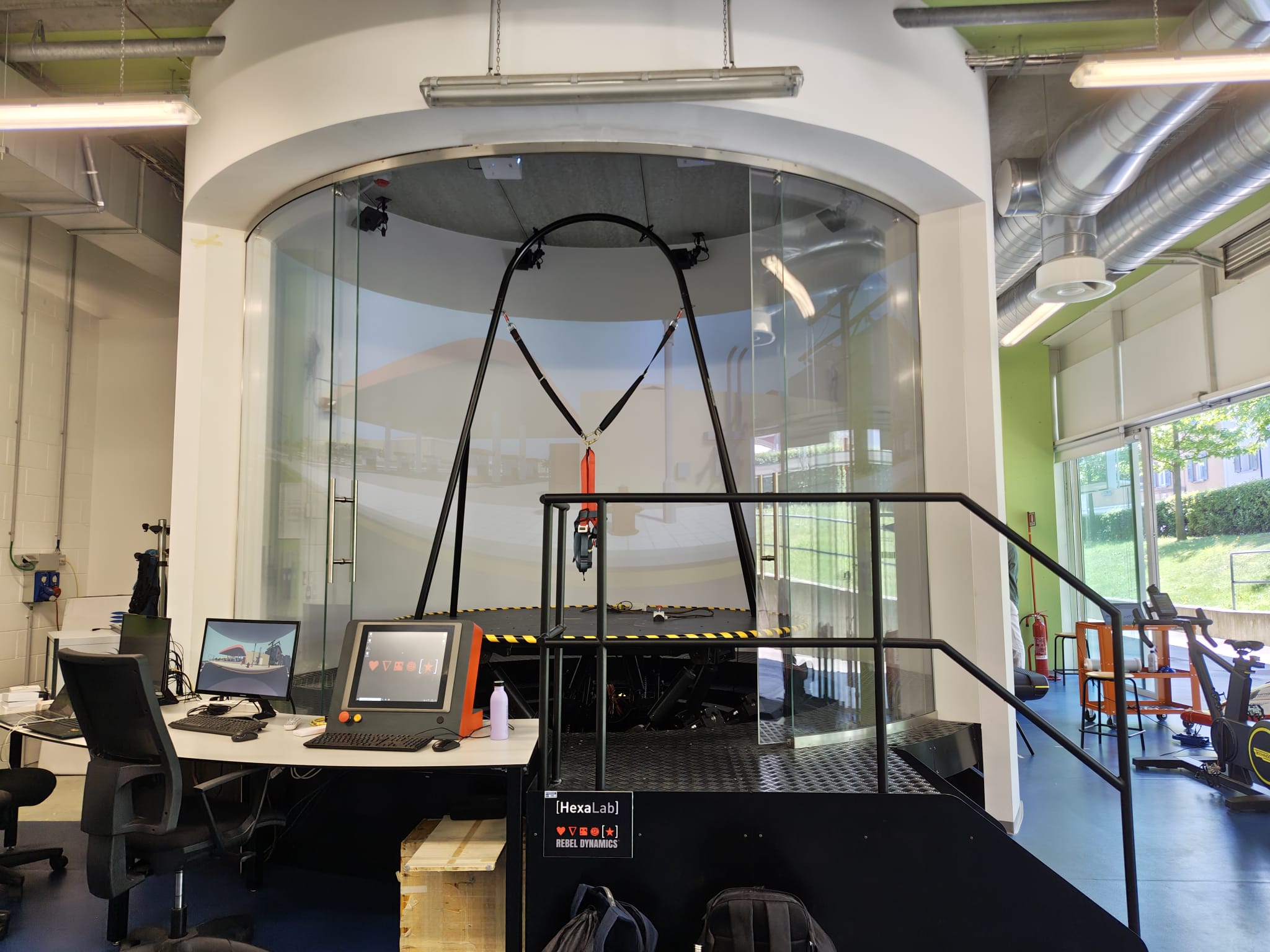
Of the many laboratories, we visited six, in particular the ones called We-Cobot, dedicated to collaborative robotics; IndexLab, dedicated to creative robotics—that is, the use of robotic tools to support the creation of objects and components, including in the construction sector; MetroSpace, which develops equipment that can be used even in extreme environments such as open space; the Human Performance Lab, where various pieces of equipment are available, including an immersive simulator that allows the analysis of athletes’ movements to improve their performance and reduce the risk of injury; SensibiLab, which focuses on sensors and biomedical systems; and Bioinspired System, which works on robotic systems for propulsion in water.
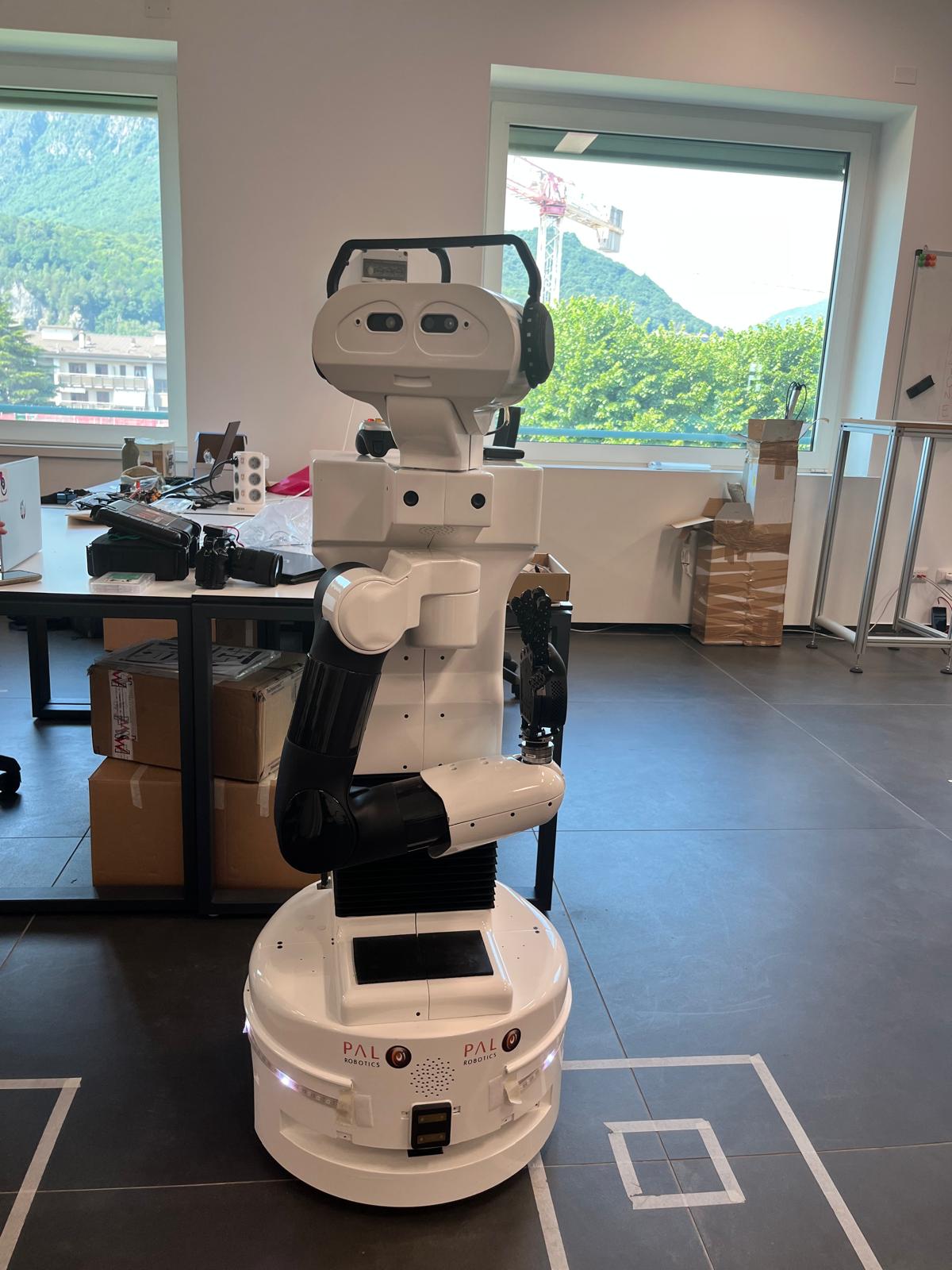
Luca Pozzi and Nicole Sanna, young researchers at the We-Cobot lab, highlight the importance of collaborative robotics and present Tiago, a robot designed to meet the needs and provide personal care, particularly for the elderly, which will soon be tested at facilities in both Italy and Switzerland. Furthermore, the laboratory is also working on the concept of exoskeletons, which represent the future of robotics for rehabilitation and are applied to support people with disabilities, giving new shape to the concept of wearable robotics.
Pierpaolo Ruttico, a researcher at IndexLab, highlights the potential of new technologies such as robotics and 3D printing, which are capable of creating objects and structural components that would otherwise be impossible to produce. In particular, the laboratory is currently exhibiting the frame of a bicycle and a number of structural elements that give an idea of the direction innovation is taking in this field. The laboratory is also already engaged in providing expertise and services to businesses that are increasingly turning to the Polytechnic’s laboratories to bring their ideas to life and meet their need to continue innovating.
Professor Diego Scaccabarozzi, scientific director of MetroSpace Lab, introduces us to an organisation that could be described as a veritable space-tech powerhouse. The laboratory’s mission is to develop instruments—such as those used to measure temperature, time, or vibrations, or to gauge forces—that can function flawlessly even in space and in complex environments where accurate measurements are essential.
Pietro Maver is a laboratory technician at the Human Performance Lab, a state-of-the-art facility dedicated to the study of human movement. The lab’s work focuses in particular on supporting athletes, thanks to the use of a highly sophisticated simulator capable of replicating various conditions and enabling the analysis of movements during sporting activities. The system is highly sophisticated and not only allows for the analysis of body movements to refine them and thus enhance performance but, above all, proves essential in the context of the process aimed at reducing injuries.
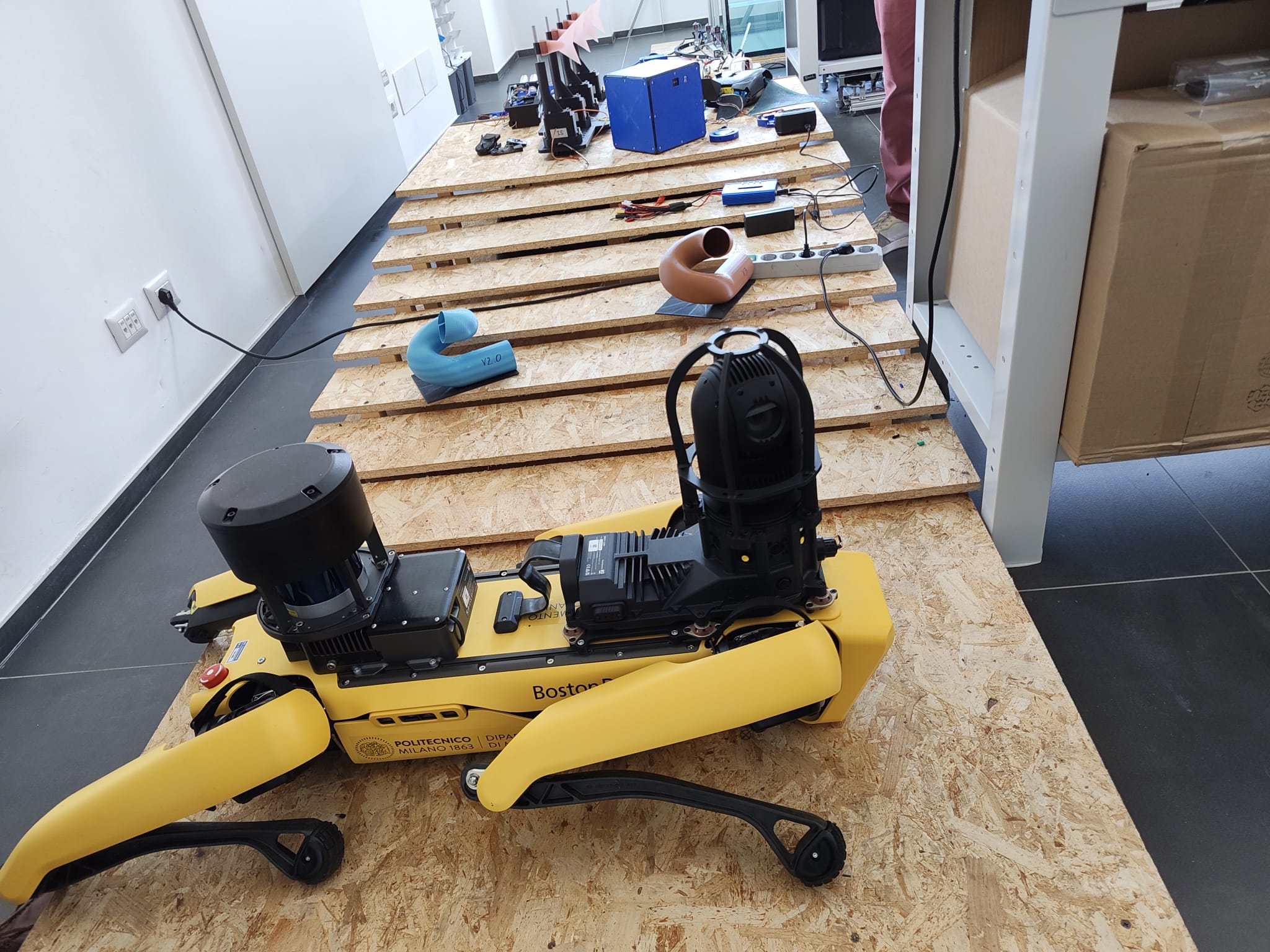
Professor Giuseppe Andreoni, scientific director of SensibiLab, outlines the laboratory’s activities, where sophisticated technologies integrating textiles, electronics and sensors are developed. The aim is to create wearable devices equipped with sensors to improve posture and movement, make the diagnosis of problems more accurate, and contribute to the development of innovative solutions for rehabilitation and assistive technologies to significantly improve the daily lives of people with various disabilities.
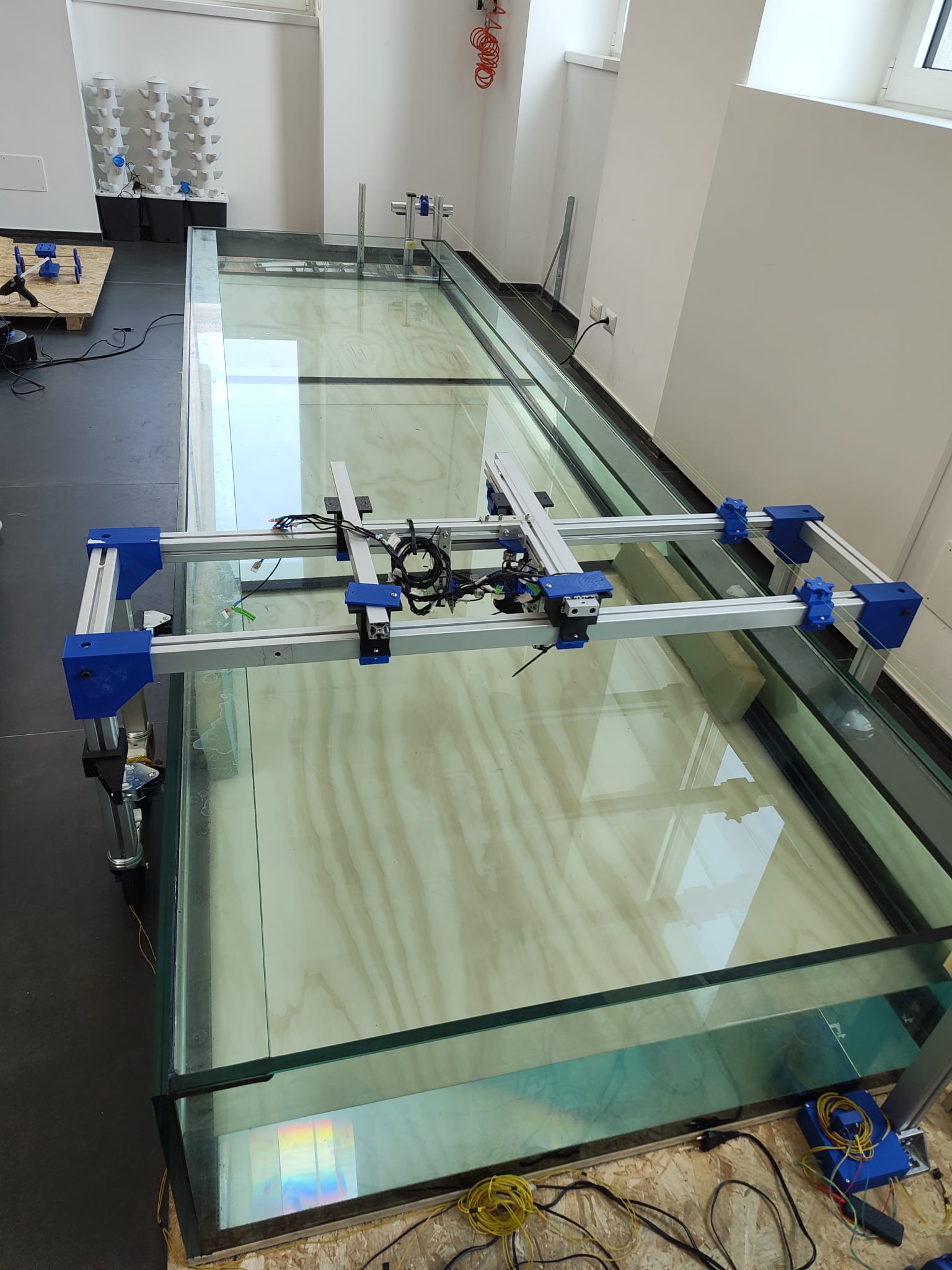
The Bioinspired System laboratory is dedicated to what is known as soft robotics. Here we met Giovanni Bianchi, a young researcher who told us about the laboratory’s activities. Bioinspired System is characterised by the presence of a large pool used to test aquatic drones, or robot fish. These devices form the heart of the underwater robotics projects. The term ‘soft’ robotics is used because the research focuses on soft, flexible surfaces capable of moving through water more efficiently.
These are just a few examples of the various laboratories that the Politecnico di Milano has at its Lecco campus, with which the start-ups taking part in the Lake Como Venture Lab programme will be able to collaborate to accelerate the development of their innovations in both mechatronics and medtech – fields that align perfectly with the researchers’ expertise – all the while bearing in mind that there is a further advantage specific to the Lecco hub: the opportunity to work synergistically with various laboratories. On campus, these are situated in such a way as to facilitate collaboration and interaction, because, as is always the case when expertise and resources are combined, the result of such a combination is not algebraic but exponential.
ALL RIGHTS RESERVED ©