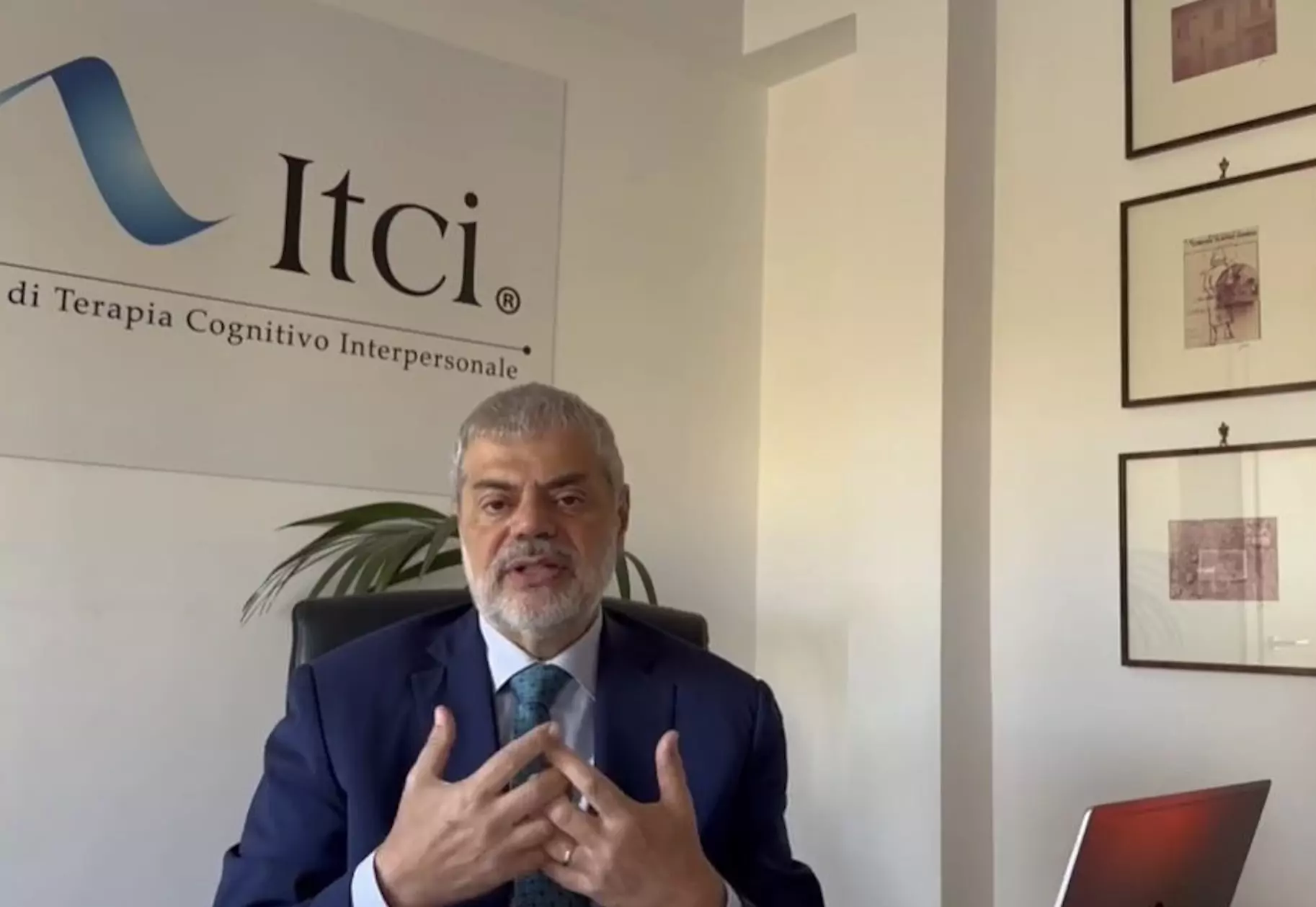
Dalibor Cicman is the founder and CEO of GymBeam, a company originally established in Slovakia that is now a leading international e-commerce platform for the health and fitness sector in Europe. A true giant, with turnover reaching €269 million in 2025 and consolidated EBITDA up by 35% to €18.7 million, with profitability growing at a significantly faster rate than turnover, demonstrating the scalability of GymBeam’s European D2C (direct-to-customer) model.
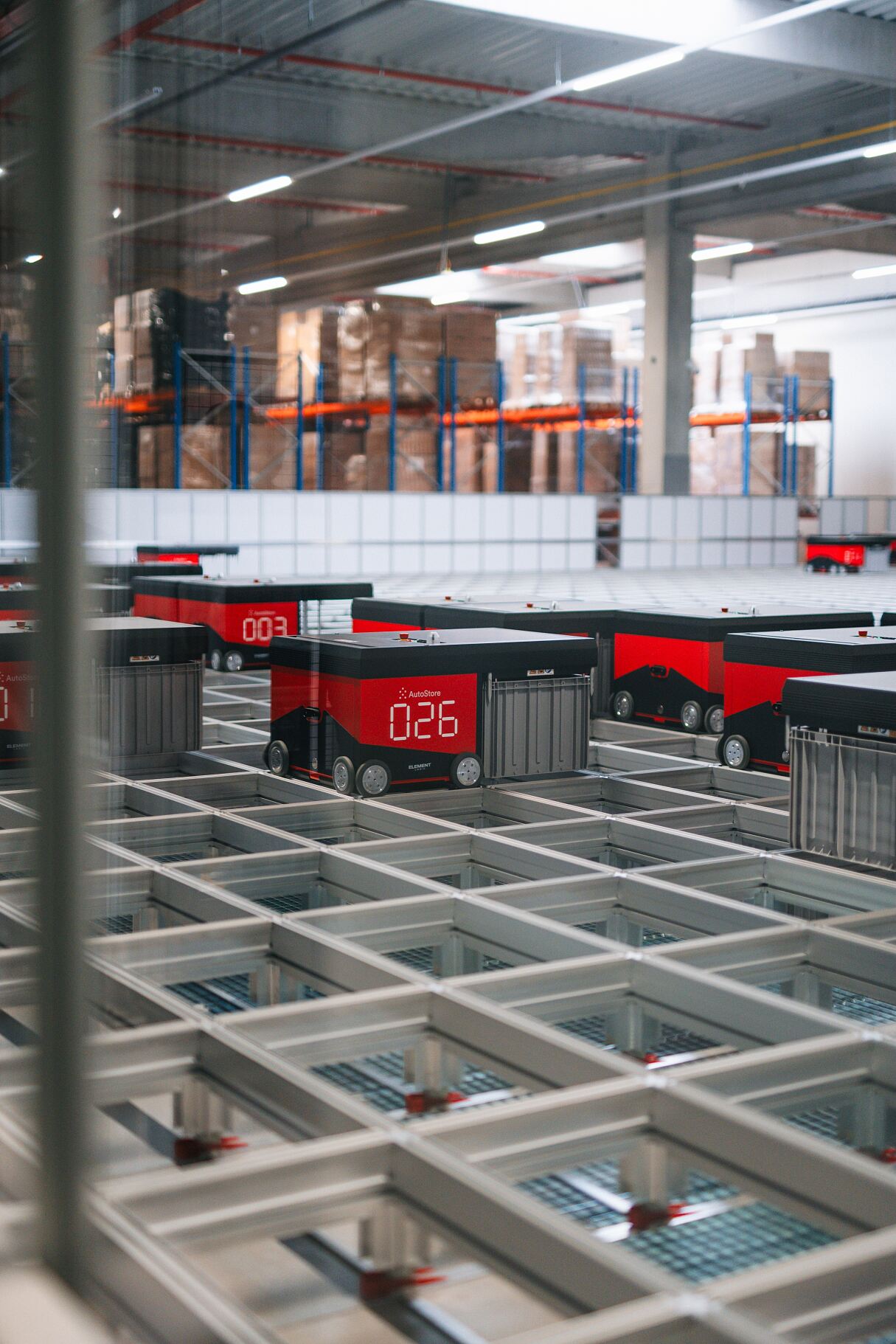
During ViennaUp, we met Cicman at the company’s brand-new headquarters overlooking the Kärntner Ring, just a stone’s throw from the Vienna State Opera: “We decided to move our headquarters to Vienna for a number of reasons, but above all because we are in the midst of a major expansion, particularly in the Austrian, German and Italian markets, and it is important to be at the heart of this geographical expansion. “We have divided Europe into two major areas: the eastern region, where we operate in Slovakia, the Czech Republic, Poland and Hungary, and the western area where we are particularly strong in Austria, in Germany – where we have acquired the German manufacturer KAJA Food near Düsseldorf, from which the entire vertical integration of production according to ‘Made in Germany’ quality standards originates – and in Italy with the launch, in early 2026, of a fully automated logistics centre near Milan (in Legnano to be precise, ed.) with 85 robots. AutoStore has also launched the business line for marketing Boxpi as an independent logistics platform”. In its first year of operation, Boxpi handled 4.8 million parcels across more than 16 European countries and generated independent B2B revenue of €1.54 million.

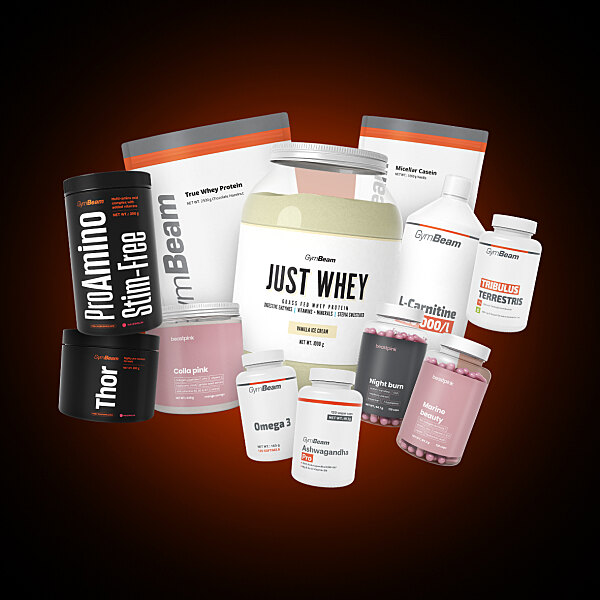
“I started out as an e-commerce entrepreneur; 12 years before founding GymBeam, I was already selling home décor products – an experience that allowed me to develop the necessary skills and also gave me the financial means to set up GymBeam in 2014 ,” says the CEO. “Today we have almost 14,500 products in our catalogue, and Italy is our main market in Western Europe, accounting for around 10% of the total.”
The company has established itself as a leading player in sports nutrition, functional foods, fitness accessories, sportswear and home gym equipment, and this is also reflected in its business model: with an EBITDA margin of 8.0%, it outperforms the industry average (7.9%) and is well ahead of its direct D2C competitors.
“2025 was a year of strategic growth for GymBeam: we significantly expanded our market share in Europe, increased profitability and invested heavily in automation, in-house production and artificial intelligence. With Vienna as our new strategic headquarters, Germany and Italy as growth markets and a solid financial foundation, we are entering the next phase of development with clear ambitions for further growth.”
GymBeam has secured investment from the European Bank for Reconstruction and Development (EBRD) as part of a €30 million funding round that strengthens its capital base and has enabled it to fund key growth areas such as logistics automation, strategic acquisitions, in-house production capacity and expansion into Western Europe.
“We sell directly to consumers; that is the channel that generates our turnover, but we have also decided to open a few physical shops in certain cities, including Vienna, Prague, Warsaw and Barcelona. However, this is more about raising our profile than about actual business, as these shops account for around 1% of our turnover.”
The company places great emphasis on its relationship with consumers: “We maintain constant contact with our customers to understand which products are most popular and what their preferences are. We invest substantial resources in research and development. We believe Generation Z is our key focus because they are health-conscious, have significantly reduced their alcohol consumption compared to previous generations, and are keen on product innovation – including those focused on longevity, protein and creatine. Furthermore, they allocate a significant portion of their spending to these products, considering that the average single purchase on our platform is around €50 and our average margin on these products is approximately 45%.”
Investment in products, investment in people – GymBeam currently employs a total of 650 staff – investment in technology: the logistics centre in Milan employs 15 people who oversee a robotic system developed through investments totalling €30 million, as well as artificial intelligence as an integral part of the operational business: AI agents at GymBeam are already taking on operational tasks in quality control, procurement and customer service. Despite a 24% increase in turnover, the company has optimised its workforce, whilst turnover per employee has risen significantly. In customer service, autonomous AI-based agents already resolve some enquiries fully automatically, without human intervention, whilst in other cases AI-supported systems generate response suggestions and data analyses.
Dalibor Cicman spoke about the central role of AI in business during a ViennaUp event for company founders, where he emphasised that artificial intelligence is one of the key issues in business, especially for a company planning significant growth and which, by 2026, intends to further expand KAJA Food’s production in Germany, strengthen the logistics hub in Milan and enter the longevity sector with products such as NMN, resveratrol, quercetin and coenzyme Q10, which will broaden the portfolio in the areas of vitality, regeneration and cellular health.
“Moving GymBeam’s headquarters here to Vienna was a significant and successful decision,” concludes the CEO. “This is where our holding company is based and where we oversee our entire business. We needed to be in a major city, and we chose Vienna both for its strategic location and for its quality of life, as well as its efficient and robust business environment.”
Cicman’s observation is borne out by the study entitled “Headquarters Landscape in Austria”, conducted by WU Vienna University of Economics and Business, with the support of the Austrian Business Agency (ABA), the Vienna Business Agency, eXplore! and the Austrian National Bank (OeNB) Anniversary Fund, which highlights how today more than a quarter of all divisional and regional headquarters in the country belong to international companies.
On average, a head office in Austria generates an annual turnover of €307 million and employs 717 people, and the number of head offices in Austria continues to rise, reaching 1,725 by 2025. Over a third (38%) of these head offices were established between 2001 and 2025, reflecting the dynamism of recent decades.
“Headquarters are drivers of innovation; they provide high-quality jobs, encourage investment and bolster research and development. They make a significant contribution to a dynamic business environment and sustainable prosperity throughout Austria. It is particularly encouraging to see that an increasing number of headquarters are continuing to establish themselves in our country, including many international companies.” “Our economic stability, business-friendly environment and the work of our business location agency, ABA, play a key role in ensuring that Austria is seen as a gateway to the European market,” said Economy Minister Wolfgang Hattmannsdorfer in a statement – A third of all headquarters are located in Vienna, 18% in Upper Austria and a further 12% in Lower Austria.
Over a quarter of all head offices in Austria belong to an international parent company. This represents a 10% increase compared to 2023. These include long-established companies such as Boehringer Ingelheim and Henkel, as well as firms from all over the world that have chosen Austria as their base for the European market, such as the Asian fintech companies ByBit and KuCoin. It is also worth noting that Vienna is home to three major international organisations: the UN, the OECD and OPEC.
“This highlights Austria’s openness and its continued appeal as a dynamic hub for international companies,” says René Tritscher, Managing Director of the Austrian Business Agency (ABA). “The top three countries of origin for international headquarters in Austria are Germany (146), Switzerland (55) and the United States (43). Austria’s geographical location, at the heart of Europe, plays a decisive role in decisions regarding the location of international headquarters. Companies use it to expand their business activities in Central and Eastern Europe, whilst others use it to access the Western European market.”
ALL RIGHTS RESERVED ©