Table of contents
Gabriel Liguori’s earliest memory is not of childhood games, but of a hospital ward. At just two years old, in Brazil, he was awaiting a delicate heart operation to partially correct the congenital heart defect he had been born with.
Hospital wards did not put him off; on the contrary, they became places of fascination for him. The doctors, the procedures and the rhythm of hospital life sparked his curiosity and fuelled his determination to one day help other patients facing similar challenges.
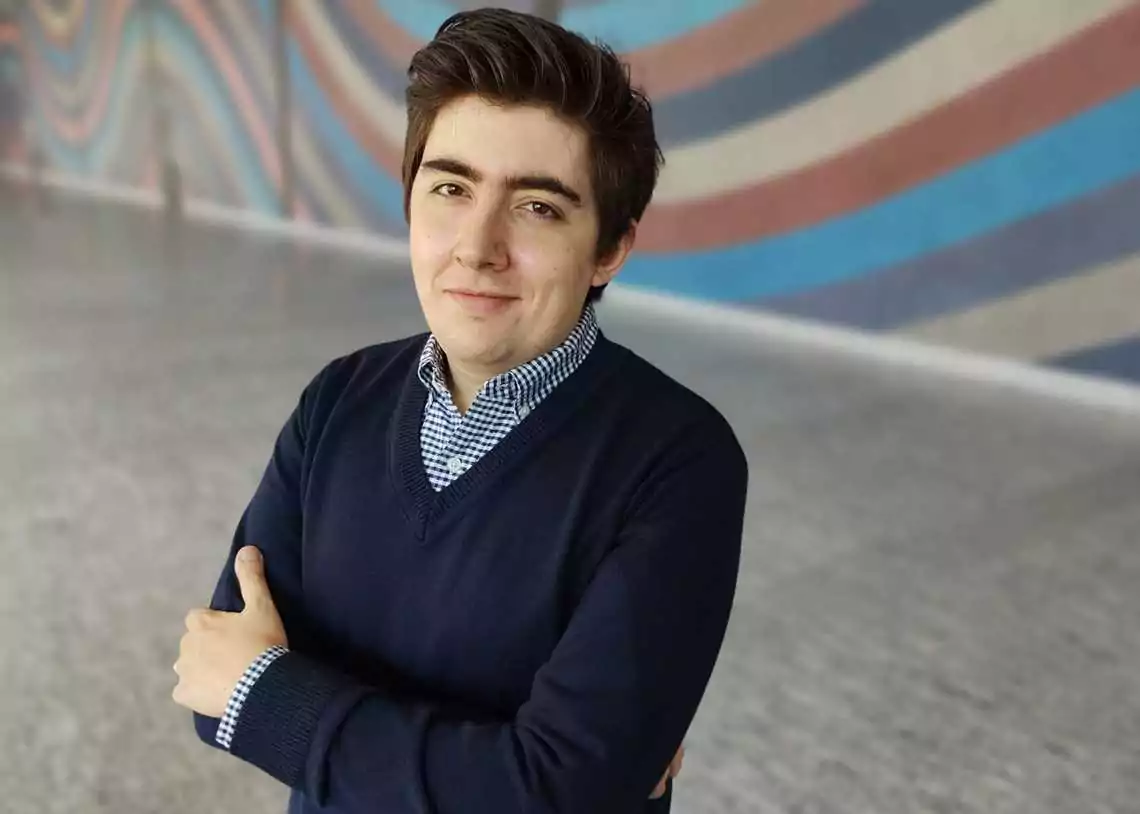
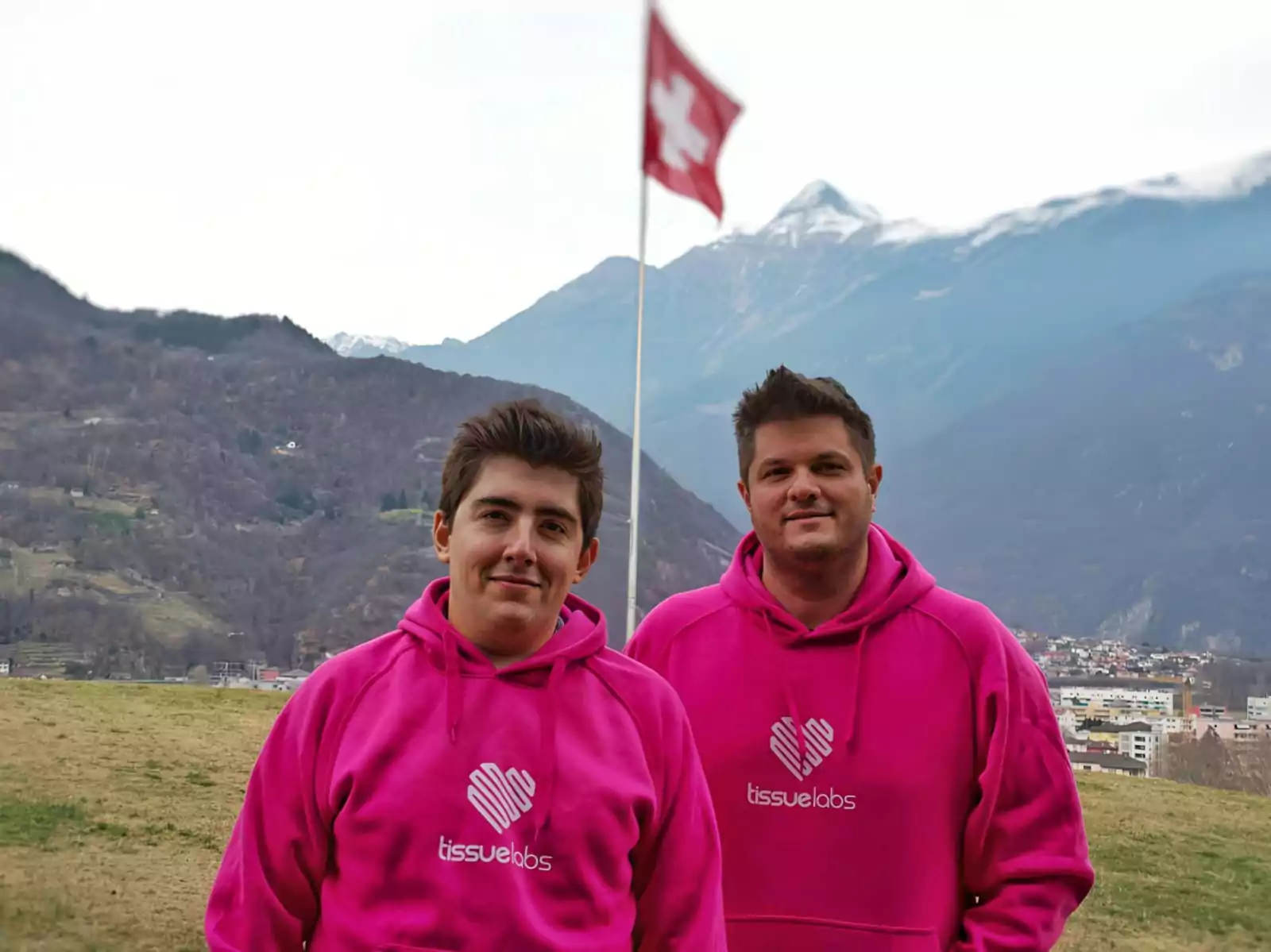
“I never thought I’d do anything other than be a doctor,” recalls Liguori (pictured).
That determination led him to enrol at the Faculty of Medicine at the University of São Paulo, where he immediately joined the cardiac surgery team that had treated him as a child. He experienced their world from the inside: observing operations, conducting research and learning the medical profession step by step.
From doctor to entrepreneur
After completing his PhD in the Netherlands, Liguori returned to Brazil to devote himself to research in tissue engineering and regenerative medicine. These fields hold the promise of a future in which replacement organs can be grown in the laboratory, reducing reliance on scarce donors and the risk of rejection.
But he soon discovered a fragmented landscape: laboratories lacking standardised equipment, expensive biomaterials, and results that were difficult to replicate. To transform regenerative medicine from promise to practice, an infrastructure was needed – a platform capable of democratising tissue engineering on a global scale.
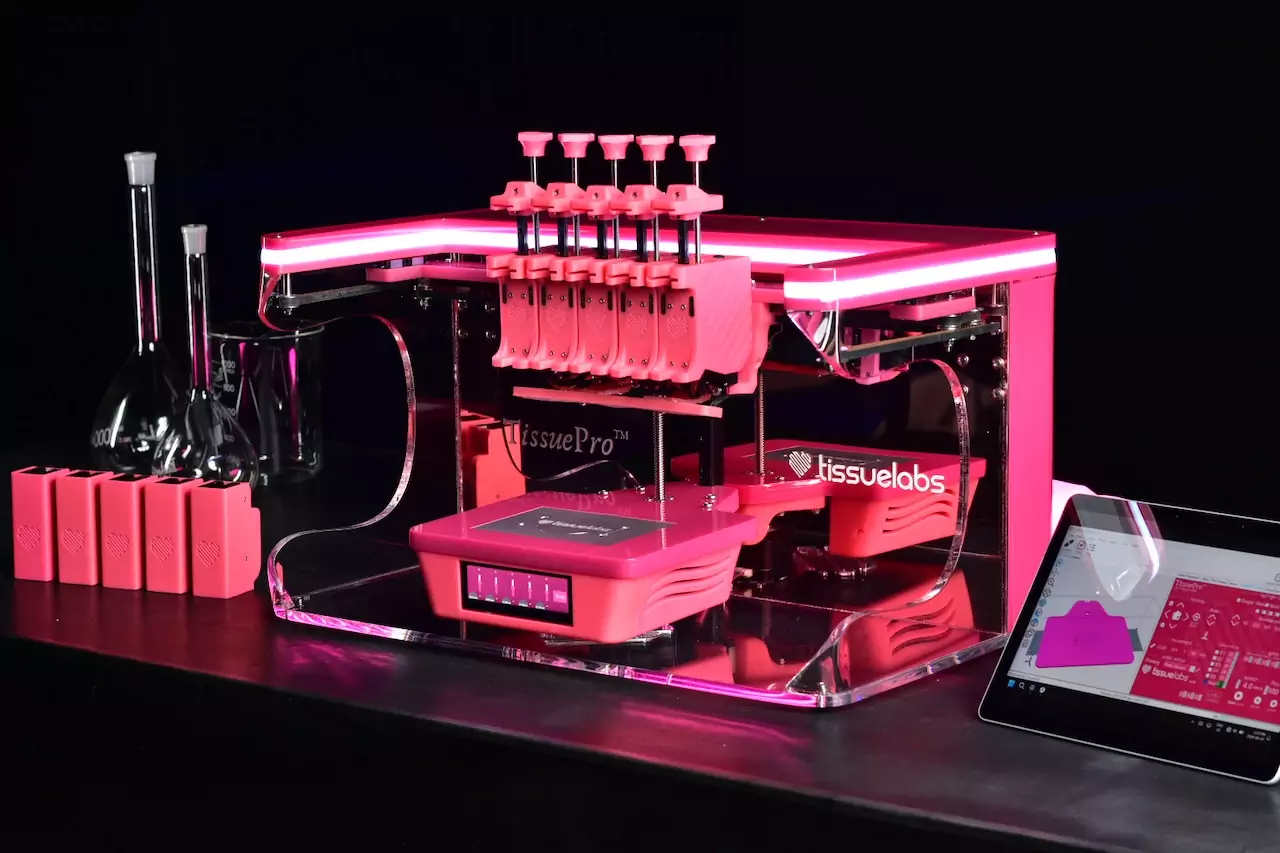
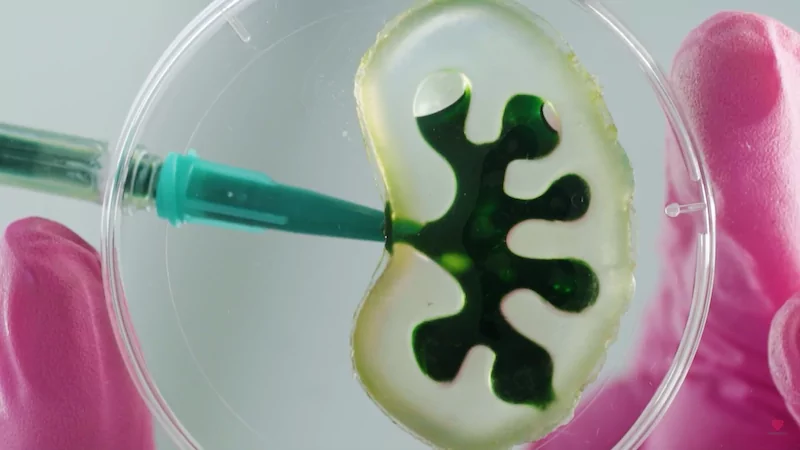
This insight led to the creation of TissueLabs, a company that provides biofabrication platforms for creating over 15 types of tissue. From cardiovascular models to skin and liver, TissueLabs offers proprietary biomaterials and 3D bioprinting technologies that make experimentation faster, more cost-effective and more reliable.
For Liguori, TissueLabs is not just a business. It is a life’s work born out of his personal and professional experience.
Changing patients’ lives
The implications of TissueLabs’ work are far-reaching. In the future, patches of cultured tissue could repair congenital heart defects in children, reducing the reliance on transplants.
Already, pharmaceutical companies are using the platform to test drugs on tissues similar to human tissue, thereby avoiding animal models, reducing costs and addressing ethical concerns.
Thanks to its guaranteed reproducibility, TissueLabs accelerates research: from São Paulo to Zurich and on to Shanghai, researchers can work with identical biomaterials, compare results and build on a common foundation. This collaborative ecosystem shortens the path from laboratory experimentation to clinical application.
Whilst the transplantation of cultured organs remains a long way off, intermediate applications – ranging from drug testing and disease models to regenerative therapies – are already transforming patient care. TissueLabs sits at the intersection of science and the market, offering both immediate benefits and a long-term vision.
Liguori and co-founder Emerson Moretto were soon joined by angel investor Eduardo Zylberstajn, the father of a child with congenital heart disease, who has formed a deep connection with the company’s mission.
Commercial potential and fundraising
TissueLabs’ commercial roadmap is divided into three phases, each of which is set to open up ever-wider markets. The first phase has resulted in the creation of a biofabrication platform – integrating proprietary hardware, software and biomaterials – to enable researchers to create tissues and organs in the laboratory, a market estimated to be worth one billion dollars.
The second phase focuses on proprietary tissues for pharmaceutical research, particularly for cardiotoxicity testing, tapping into a market worth $10 billion. The third phase focuses on therapeutic tissues for transplants, a sector worth over $100 billion.
The company is now transitioning from phase one to phase two, with the aim of launching cardiac tissue models within two years: a milestone that is expected to drive strong revenue growth. Today, universities and research institutes generate 70% of revenue, whilst the remaining 30% comes from private sector clients – ranging from start-ups to global giants such as L’Oréal. TissueLabs already serves over 300 institutions worldwide and aims to increase its customer base tenfold, reaching 3,000 within three years.
To support this expansion, the company is raising $3.5 million (3 million Swiss francs) in a new round of funding that is expected to close by June. Previously, TissueLabs had raised €1 million in angel and pre-seed funding and a further €1 million in grants.
The new capital will be used to scale up operations, refine cardiac tissue models and strengthen global distribution.
For investors, the appeal lies in TissueLabs’ dual growth trajectory: immediate revenue from research applications and the transformative potential to revolutionise the transplant market.
From Brazil to Switzerland
For Liguori, setting up TissueLabs in Brazil was a natural choice: to contribute to his country’s scientific landscape. But he soon came up against structural obstacles – a lack of funding, stifling bureaucracy and a fragmented innovation ecosystem.
Venture capital for the biotechnology sector was virtually non-existent. Researchers struggled to access advanced biomaterials, particularly biomedical reagents subject to lengthy approval processes. Furthermore, Brazilian biotech products met with little success abroad, whilst the domestic market accounted for barely 1% of global research.
With dwindling resources and pressure to meet sales targets, Liguori began to consider a move. The United States offered a vast market, but the financial and bureaucratic barriers were prohibitive. Switzerland, on the other hand, was accessible thanks to Liguori’s dual Italian citizenship.
The Canton of Ticino proved particularly attractive for plans to establish an innovation park dedicated to biofabrication. After initially setting up in Manno, near Lugano, TissueLabs moved to Bellinzona, next to the park.
Today, the company’s operational activities are based in Switzerland, whilst machinery production remains in Brazil, where lower labour costs ensure competitiveness.
Opening in Hong Kong and mainland China
TissueLabs’ ambitions extend beyond Europe. Liguori recently took part in a two-week trade and investment mission to Hong Kong and mainland China, where the company did not yet have any clients or partnerships.
The mission was organised by Swissnex, a government body that strengthens Switzerland’s role as a global innovation hub.
Liguori, together with Moretto and CFO Felipe Chippari, met with potential clients, suppliers and investors. The discussions with suppliers proved invaluable, resulting in better terms and strengthening relationships.
On the investment front, family offices – particularly in Hong Kong – have shown immediate interest. Manufacturing in mainland China could become a reality as a means of accessing a huge market, given that ‘Made in China’ policies restrict imports and encourage local production.
Switzerland, however, will remain the company’s operational hub. “Moving to Switzerland back then was a bold move, a risk,” recalls Liguori. “But if I hadn’t made that decision, TissueLabs wouldn’t exist today.”
This article is licensed under a Creative Commons Attribution–NoDerivatives 4.0 International License (CC BYND 4.0), allowing redistribution with attribution but no modifications.
ALL RIGHTS RESERVED ©