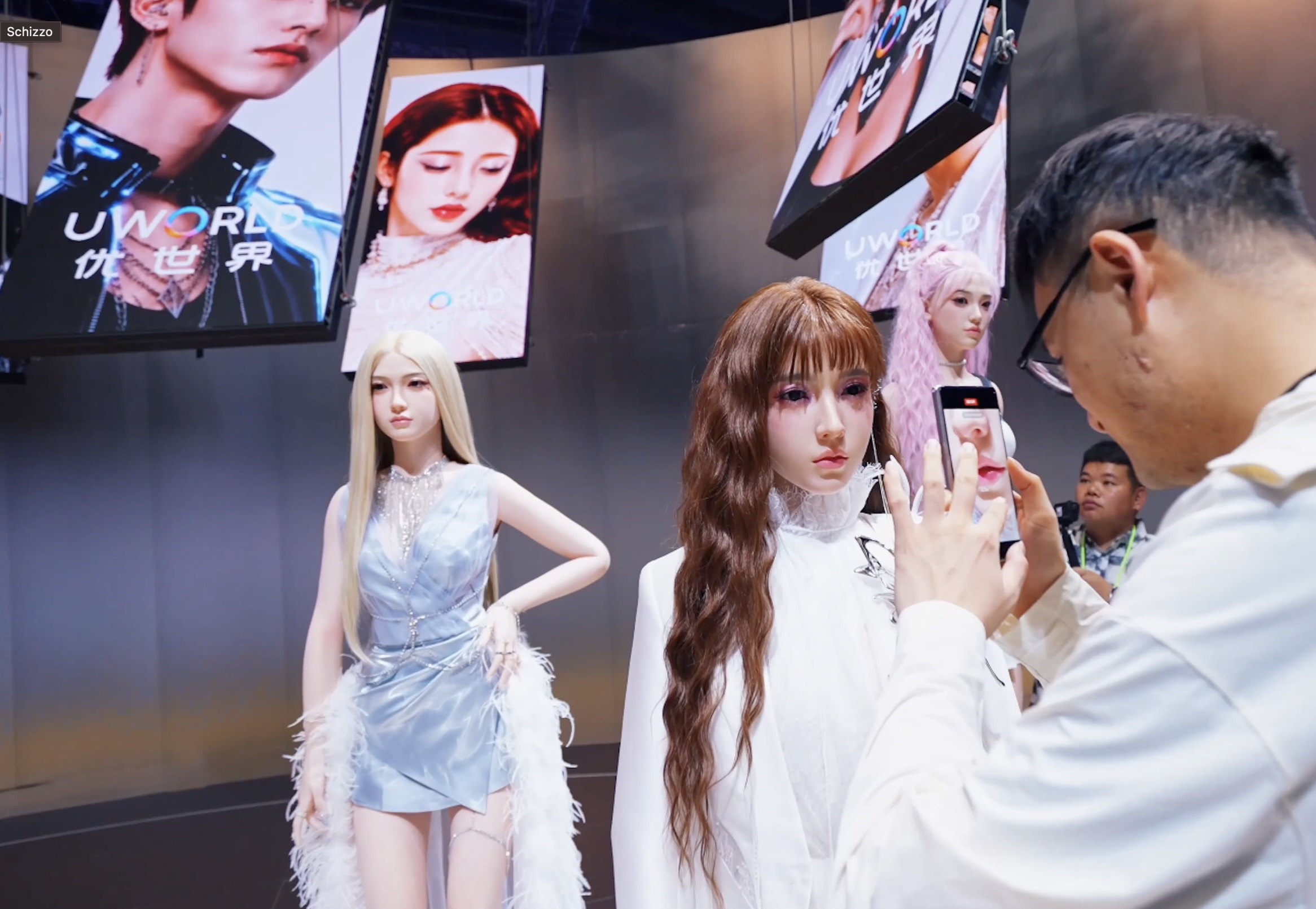
Ubtech Robotics has given a human face to China’s robotic ambitions. The launch of the U1 humanoid by the Shenzhen-based company marks the shift from factories to living rooms, with over 13,000 pre-orders. Yet, despite its ultra-realistic appearance – featuring synthetic skin and algorithms capable of simulating emotions – the device is unlikely to bring about a genuine revolution within the home, at least for the time being.
U1’s appeal lies in its appearance and conversational abilities, which represent a major step forward compared with previous products. However, current vision-language-action (VLA) models are not yet capable of enabling the robot to perform complex tasks in the home. This would require architectures with greater capabilities in perception, planning and adaptation – areas in which Tencent Robotics and others are still experimenting.
Furthermore, without artificial hands capable of a certain degree of dexterity, advanced sensors and lighter, longer-lasting batteries, humanoids will still be unable to meet the standards required for cooking, cleaning the house or doing the washing. Nor will they be able to act as intimate partners.
The relational aspect remains the only practical area of application, at least for now. In rapidly ageing societies such as China, Japan and South Korea, robots capable of holding conversations and providing emotional support could alleviate the loneliness of elderly people living alone.
With families becoming smaller and smaller and adult children working long hours, there is a genuine demand for a surrogate presence. Ubtech’s founder, Zhou Jian, believes that the unmet need for emotional interaction – estimated to affect hundreds of millions of people – will drive the early stages of adoption.
The price, however, is high. The U1 costs between 119,800 and almost one million yuan, well beyond the reach of the general public (between around 15,000 and 130,000 euros). Morgan Stanley forecasts shipments of 50,000 units in 2026, rising to 446,000 by 2030, but these figures pale in comparison to smartphone sales volumes. For now, humanoids remain a niche luxury, not a mass-market consumer good.
The launch of this ultra-realistic-looking robot has helped Ubtech – the first publicly listed manufacturer of humanoids, which is set to enter the European market as we reported here – to grab the headlines and cement its status as a pioneer whilst facing growing competition from companies such as Unitree, Agibot and Galbot. Such visibility plays a key role in attracting investors, partners and talent in an increasingly crowded sector.
There is also another aspect, no less important, linked to the collection of valuable data. Every social interaction becomes training material for improving emotional AI and refining the models for future domestic robots.
If handled responsibly, this feedback could give Ubtech an edge in consumer robotics, where personalisation and consumer confidence in the product will be key.
On 4 July, two major Chinese industry organisations launched an initiative to regulate the development of humanoid robots designed to provide emotional support, incorporating ethical and safety standards.
The company’s challenge is to gradually transform U1 from a symbol of aspiration into a genuine domestic helper capable of folding the washing or cooking a meal.
Ubtech has opened the door to consumer robotics, but only the transformation of humanoids from chatty companions into indispensable domestic workers will justify the price and fulfil the promise of becoming the world’s most widespread interface, surpassing even smartphones. (image taken from the presentation video posted on Ubtech’s X.com profile)
ALL RIGHTS RESERVED ©