Table of contents
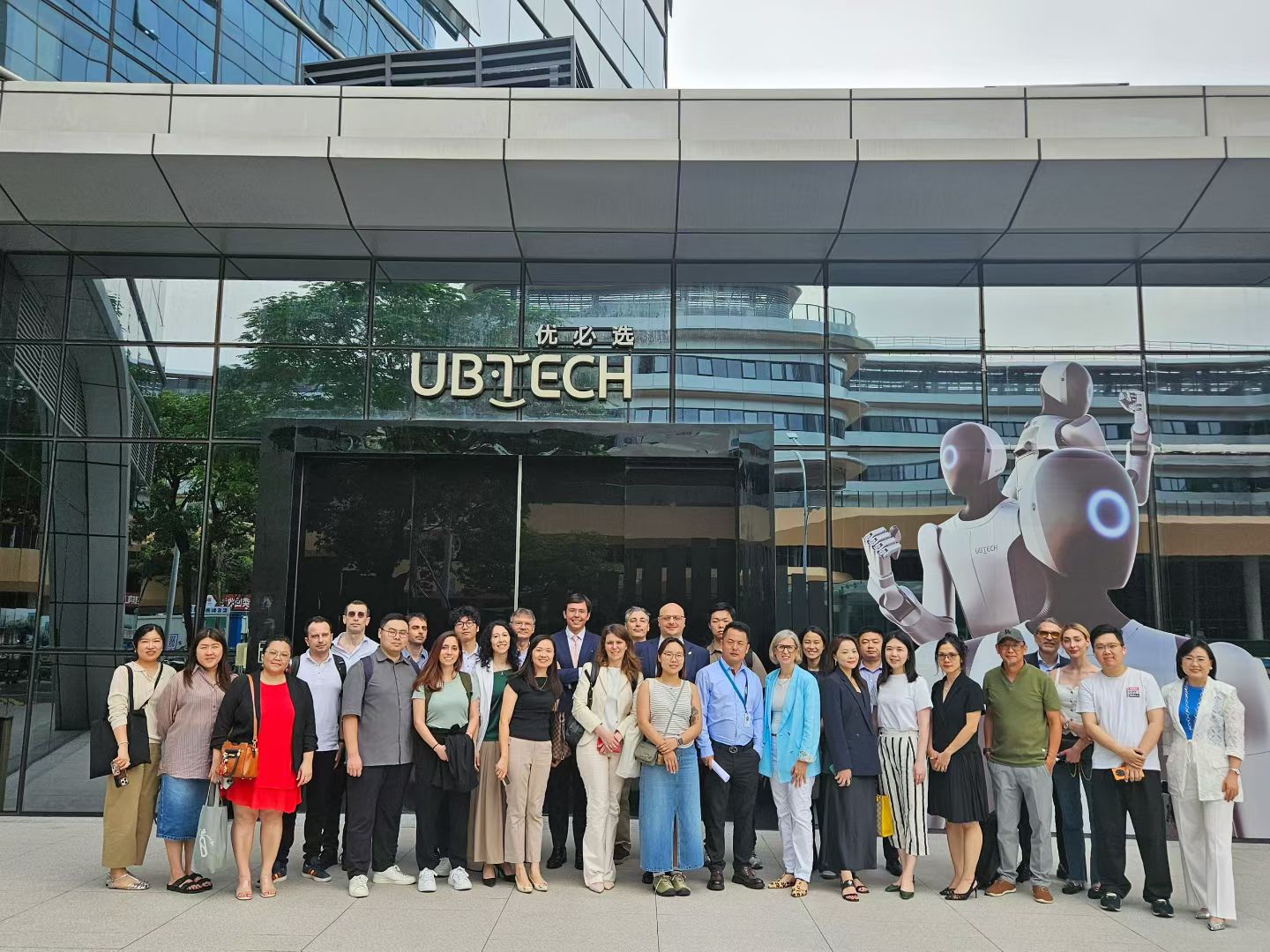
Ubtech, a Shenzhen-based manufacturer of humanoid robots that has been listed on the Hong Kong Stock Exchange since December 2023, is preparing to enter the European market, choosing Italy as its springboard.
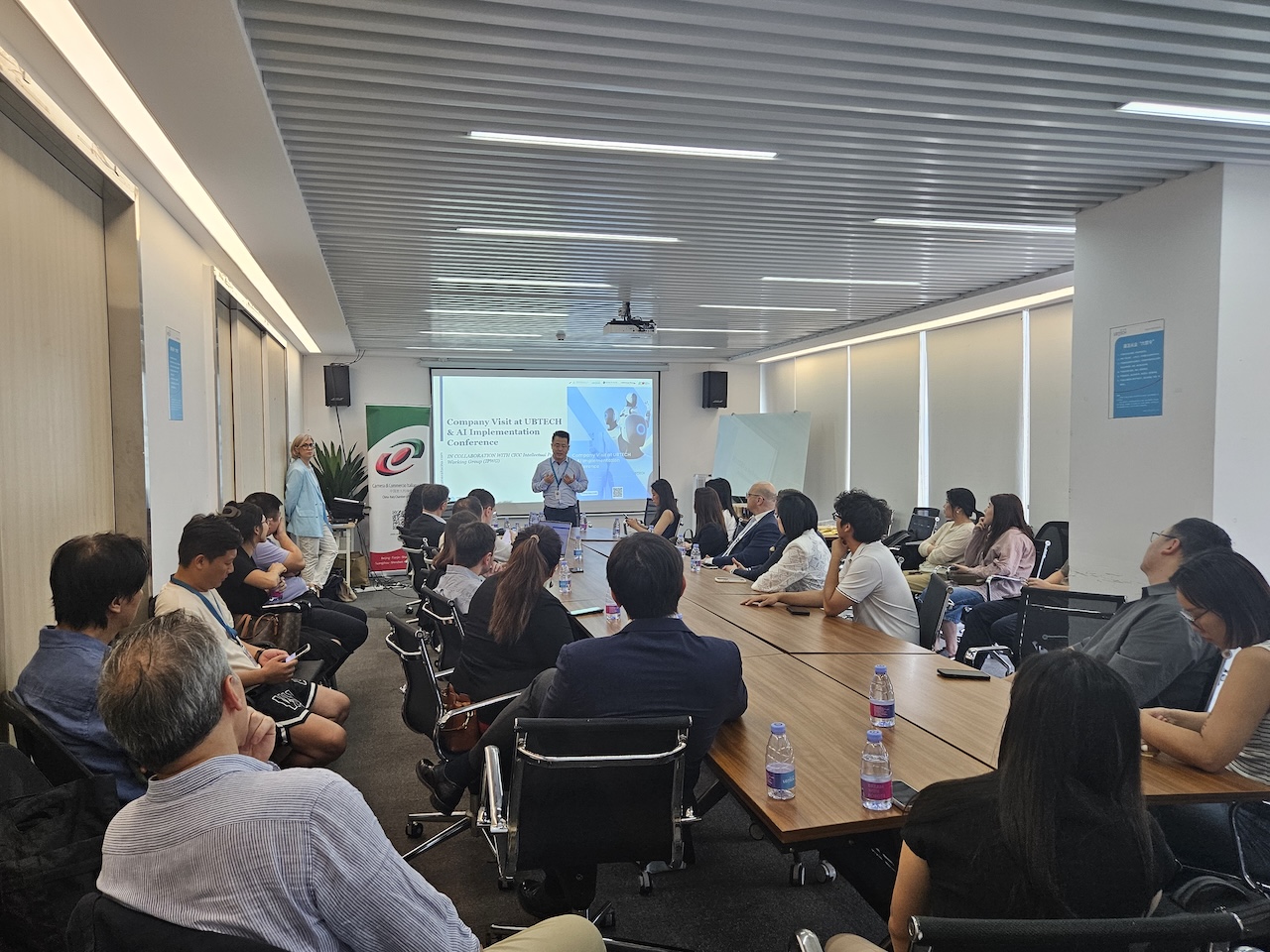
Tiger Wang, deputy general manager of the consumer robotics division, explained during a speech at an event organised by the Italian Chamber of Commerce in China (CICC) that the company intends to launch a “significant pilot project” in Italy, with a strong focus on compliance with European regulations.
“I want Italy to be our first success story in Europe,” says Wang. Ubtech aims to collaborate with Italian car manufacturers, leading universities, healthcare institutions and even telecoms operators, as well as developing logistics applications for warehouses and industrial supply chains. The company is open to input from consultants who can support its strategy.
Why Italy?
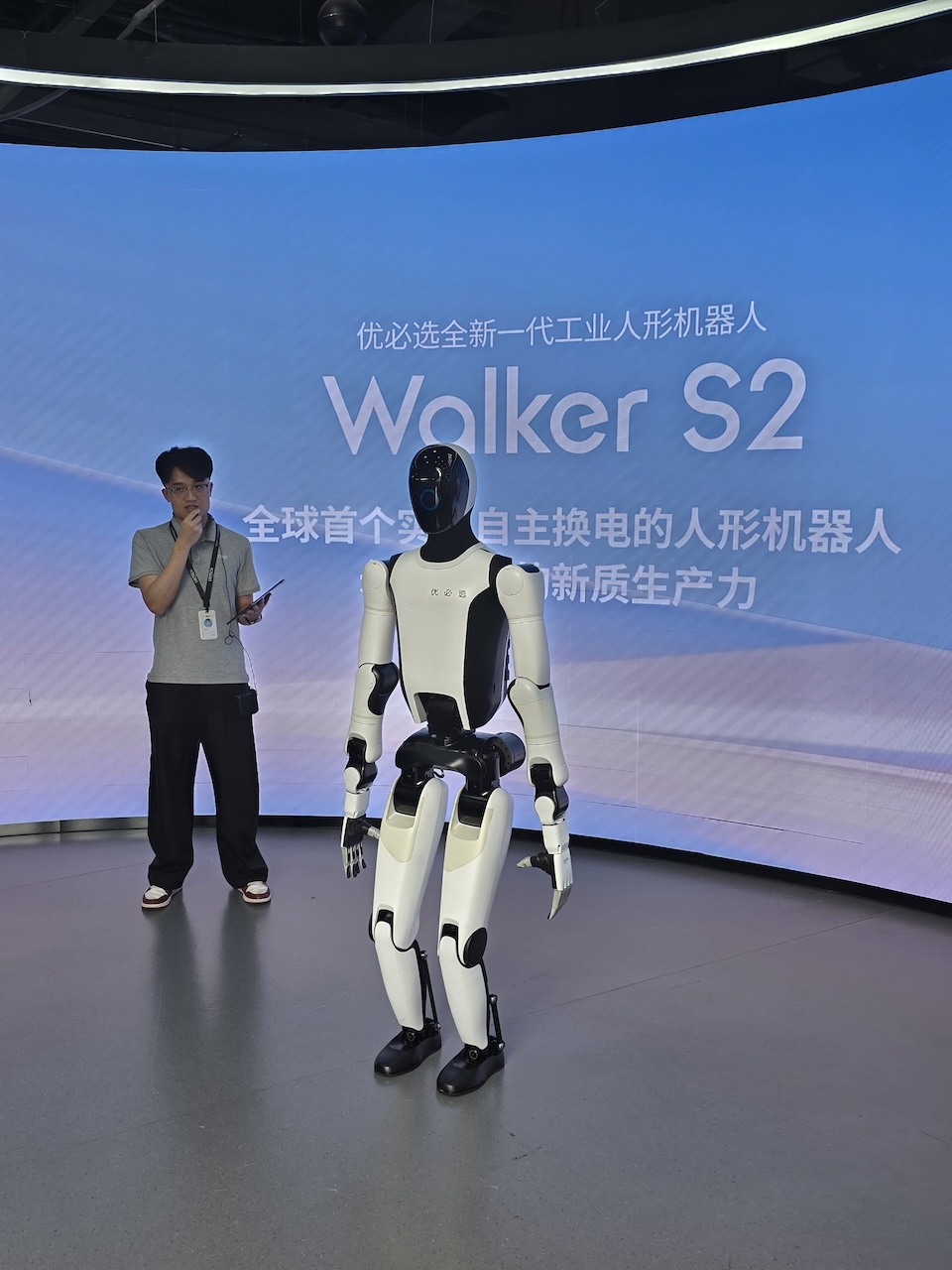
Since 2025, Ubtech has delivered over a thousand units of its Walker S humanoid robot, securing contracts worth 1.2 billion RMB in China (approximately 156 million euros). However, Wang acknowledges that low labour costs are holding back the adoption of robotics in the country.
In Europe, however, higher wages make automation more cost-effective: “In China, labour costs less than a robot. In Italy, France or Canada, the price of a robot is equivalent to a worker’s annual salary,” he explains.
Italy offers a mix of robust industrial sectors, advanced research centres and a tradition of craftsmanship. Ubtech sees opportunities in logistics – pallet handling, box transport and repetitive tasks – and in healthcare support. Wang emphasises that the robots are not intended to replace skilled craftsmanship, but to free workers from “heavy and strenuous tasks”.
The company is also considering opening a European centre in Milan or Rome to localise operations and data collection, in accordance with EU regulations. Ubtech’s data governance model ensures that the owners of the application scenarios retain full ownership, with anonymised data used solely for research purposes.
In Italy, the company promises to collect and store data locally. For consumer robots, it integrates Chinese language models such as Alibaba’s Qwen, whilst access to US-based large language models remains limited.
Technical capabilities and limitations
The proprietary Visual-Language-Action (VLA) platform enables robots to perform structured and predictable tasks, such as carrying and placing objects. Current efficiency stands at around 50%, with the aim of exceeding 85% within two years thanks to more advanced tactile sensors.
For safety reasons, robots move slowly in shared spaces. Fine motor skills remain a challenge: distinguishing between textures and weights is still difficult. Ubtech will soon be launching semi-humanoid units on wheels, designed for logistics and more cost-effective.
Furthermore, the merger with Zhejiang Fenglong Electric, announced last December, aims to cut costs by 50% by 2027 and improve returns on investment in high-income markets.
Wang stressed that success depends on building an ecosystem of local research centers, repair and maintenance networks, and strong industrial partners.
HR involvement is key to adoption
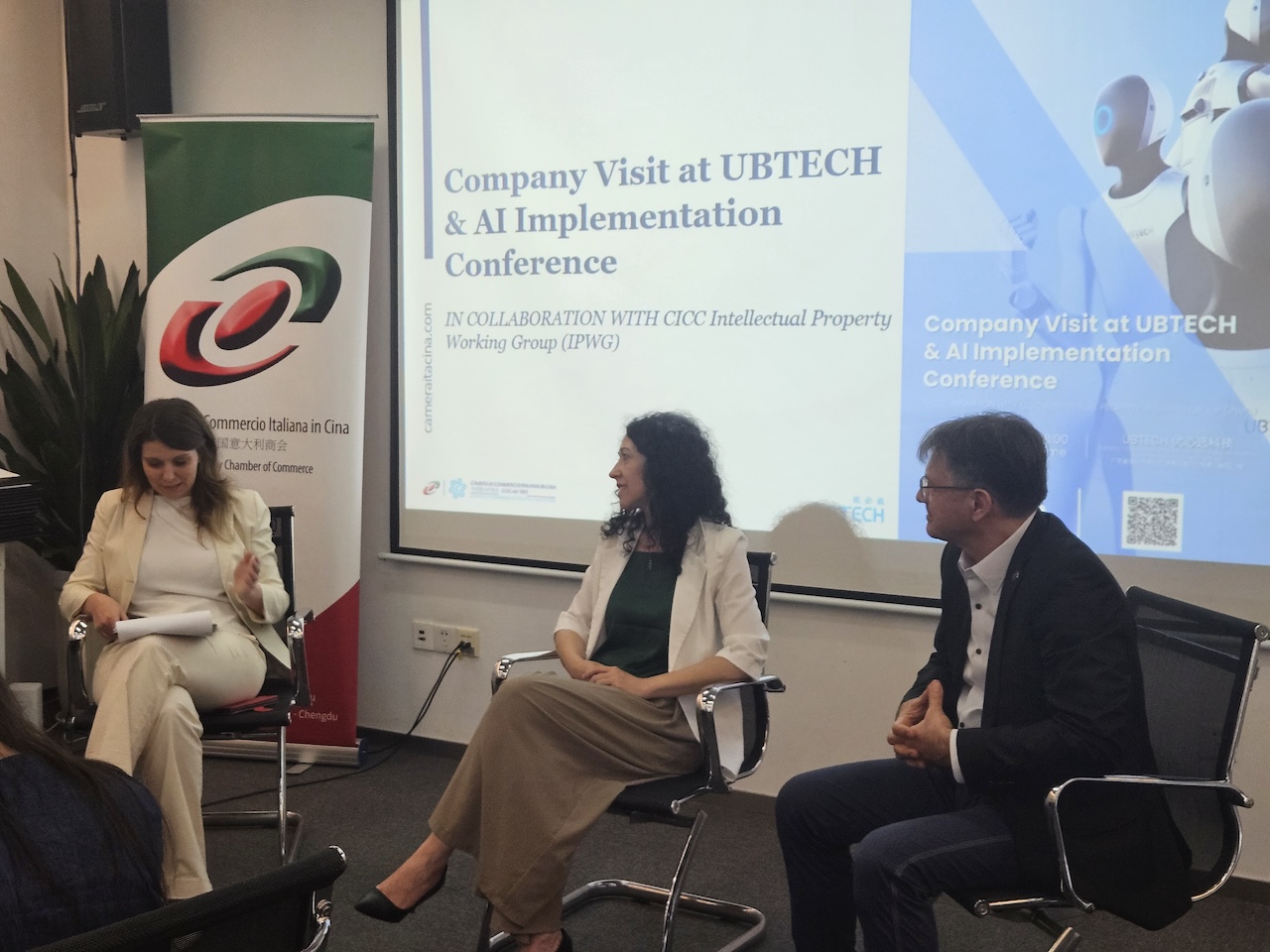
The experts speaking at the Chamber of Commerce panel emphasised that the adoption of robotics is not merely a technical or economic issue, but also a human one. Corporate culture, the early involvement of the human resources department, and compliance are just as crucial as the engineering design.
Rosanna Terminio, a partner at Asecorp China and a researcher in the field of human-robot interaction, points out that involving staff at an early stage is crucial to fostering acceptance among workers. Exclusion leads to a decline in morale and resistance. Transparency and the joint design of workstations are essential for maintaining autonomy and motivation.
Gianluca Giorgi, an automation expert and vice-chair of the EUCCC South China Board, points out that humanoid robots should be seen as support tools, not replacements. They require training programmes lasting six to twelve months and perform best in structured environments, freeing workers from heavy and repetitive tasks. Their introduction brings both challenges and opportunities, driving professional retraining and the creation of new roles for operators and supervisors.
Legal and compliance challenges
Laura Priore, a lawyer at Wang Jing & GH Law Firm and data protection officer, emphasises that compliance must be built in from the outset.
Factories that use robots inevitably process workers’ data, which is subject to the European General Data Protection Regulation (GDPR) and China’s Personal Information Protection Law (PIPL). “We need to clarify what data is collected, for how long and for what purposes,” he explains. In the workplace, consent is not always valid, so alternative legal bases are required.
Cross-border data transfers require agreements and impact assessments. Priore warns that data flows between the EU and China may require contractual clauses and registration with the authorities, citing the precedent of the fine imposed on OpenAI in Italy for shortcomings regarding data accuracy and correctness.
His conclusion is clear: compliance is not a mere bureaucratic formality, but a strategic necessity. Without legal safeguards, companies risk penalties and reputational damage (images courtesy of the author).
Note for reader: This article is licensed under a Creative Commons Attribution–NoDerivatives 4.0 International License (CC BYND 4.0), allowing redistribution with attribution but no modifications.
ALL RIGHTS RESERVED ©