Table of contents
Co-Win Ventures, one of China’s leading venture capital firms, is preparing to launch a new US dollar-denominated fund, with a target of up to $200 million, and to open a new office in Hong Kong to drive its international expansion.
This move highlights how fundraising ambitions and globalisation strategies are becoming increasingly intertwined in the Chinese venture capital sector, positioning Hong Kong as a crucial hub for foreign capital and cross-border growth.
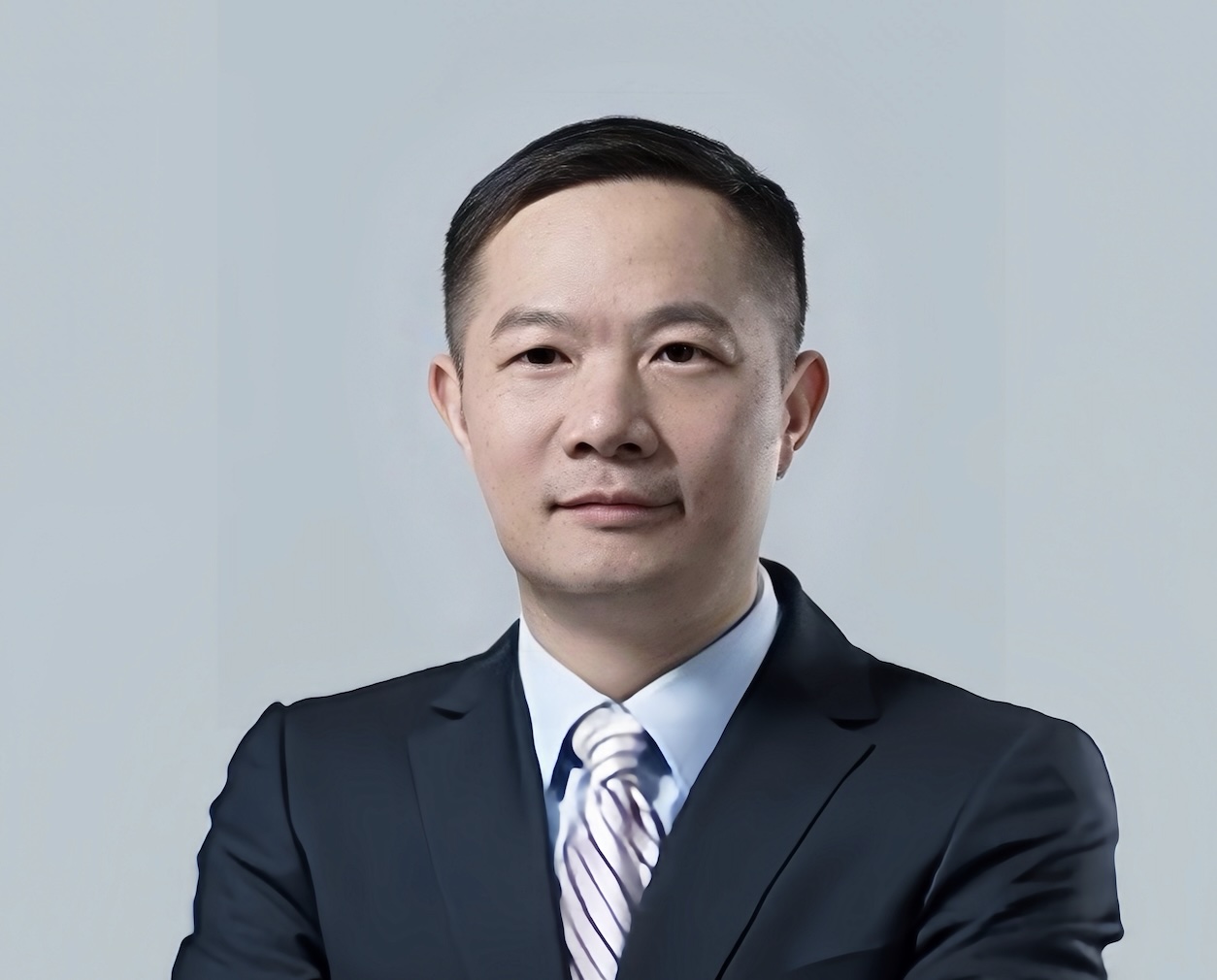
Senior Vice-President Yang Xu has confirmed that the target size is between $150 million and $200 million, with the standard 5+5+2 structure: five years of investment, five years for exit and two years of extension. The firm may choose the Cayman Islands as the jurisdiction for the new fund, as it has done in the past, but it may also consider Hong Kong depending on investor preferences. For Italian and European advisors, this fundraising campaign opens up a window of opportunity.
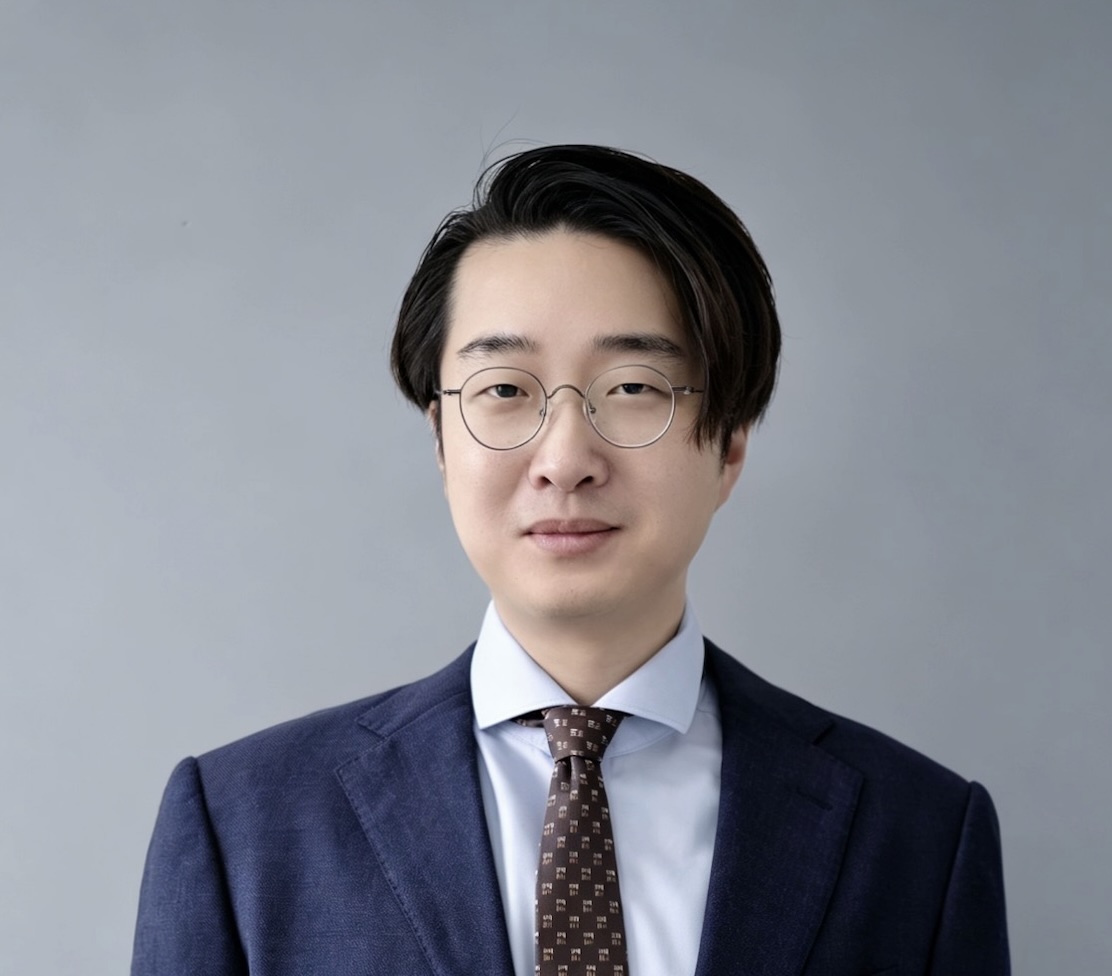
“We are actively engaging placement agents in Europe and the Middle East,” explains Xu, citing recent meetings with firms in Brussels. “We want to attract sovereign wealth funds, family offices and institutional investors not only from Hong Kong but globally.” Fundraising is expected to begin within a couple of months, with the closing scheduled for the following twelve months. The appointment of placement agents should facilitate access to non-Asian LPs, diversifying the investor base and aligning it with the firms’ international expansion plans.
Fundraising campaign: opportunities for advisors and investors
At the heart of the initiative is a desire to expand the investor base beyond Asia. Co-Win, which manages around $1 billion, has historically focused on RMB-denominated funds for deep tech and healthcare, alongside dollar-denominated funds focused on biotech. The new vehicle marks a strategic shift: at least half of the capital will be allocated to deep tech, including robotics, neural interfaces, optical transceivers and artificial intelligence infrastructure.
The performance figures underpin the proposition: RMB-denominated funds have recorded a gross IRR of 33%, a MOIC of close to 3x and a DPI of over 1. Dollar-denominated funds focused on healthcare have achieved an IRR of 20% and a MOIC of 2x. The new fund is targeting an IRR of 20–25%, capitalising on the higher growth trajectory of deep tech. Exit strategies remain diversified: around 20% of portfolio companies have gone public, whilst others have pursued M&A or distribution/dividend routes. Among the successes, InnoLight, a manufacturer of optical transceivers, stands out, with its stock market listing generating returns of close to 10x.
Hong Kong as a springboard for internationalisation
The fundraising drive is inextricably linked to the company’s internationalisation strategy. Headquartered in Shanghai, with offices in Beijing, Shenzhen and Suzhou, the company is now setting up a base in Hong Kong to support its international expansion. Xu and co-founder Ben Zhao are in the final stages of selecting a location.
Hong Kong plays a dual role: providing access to offshore capital (in HKD, USD and offshore RMB) and serving as a platform for portfolio companies seeking global visibility. Some robotics firms are testing EV charging robots in Singapore and Saudi Arabia; AR projector manufacturer JBD is considering facilities in Thailand or Mexico to diversify its supply chain. International LPs play an important role in aligning capital with expansion strategy.
The timing aligns with Beijing’s policy priorities: the five-year plan emphasises the internationalisation of the yuan and Hong Kong’s role as a financial hub. Initiatives such as Bond Connect and offshore RMB funds are strengthening the city’s position. Co-Win’s move demonstrates how private capital is aligning with state priorities: raising funds offshore, investing in strategic sectors and fostering global expansion.
Hong Kong plays a central role in fundraising and global strategy
The campaign is not just about raising capital, but about attracting investors capable of facilitating globalisation. European and Gulf LPs bring networks, market access and credibility. Portfolio companies benefit from this through international partnerships. Advisory firms can capitalise on this synergy in their dealings with investors and through fundraising structures tailored to different jurisdictions.
Hong Kong is at the heart of this strategy. As the home of Co-Win’s international office, the city serves as a hub for gathering resources and a springboard for overseas ventures. The scale of the offshore RMB adds a political dimension, linking private capital to China’s currency strategy.
Strategic direction and sector focus
Founded in Suzhou in 2009 by Ben Zhao, a former executive at CSVC (now Oriza Holdings), Co-Win has distinguished itself by investing in semiconductors and healthcare, bucking the trend that was then dominated by investments in e-commerce platforms. Its early investments in InnoLight and other deep-tech companies proved successful, establishing the firm as a leader in hard tech. The arrival of partner Huang Xin, a former BCG consultant with a PhD from Johns Hopkins, has strengthened the firm’s focus on the healthcare sector.
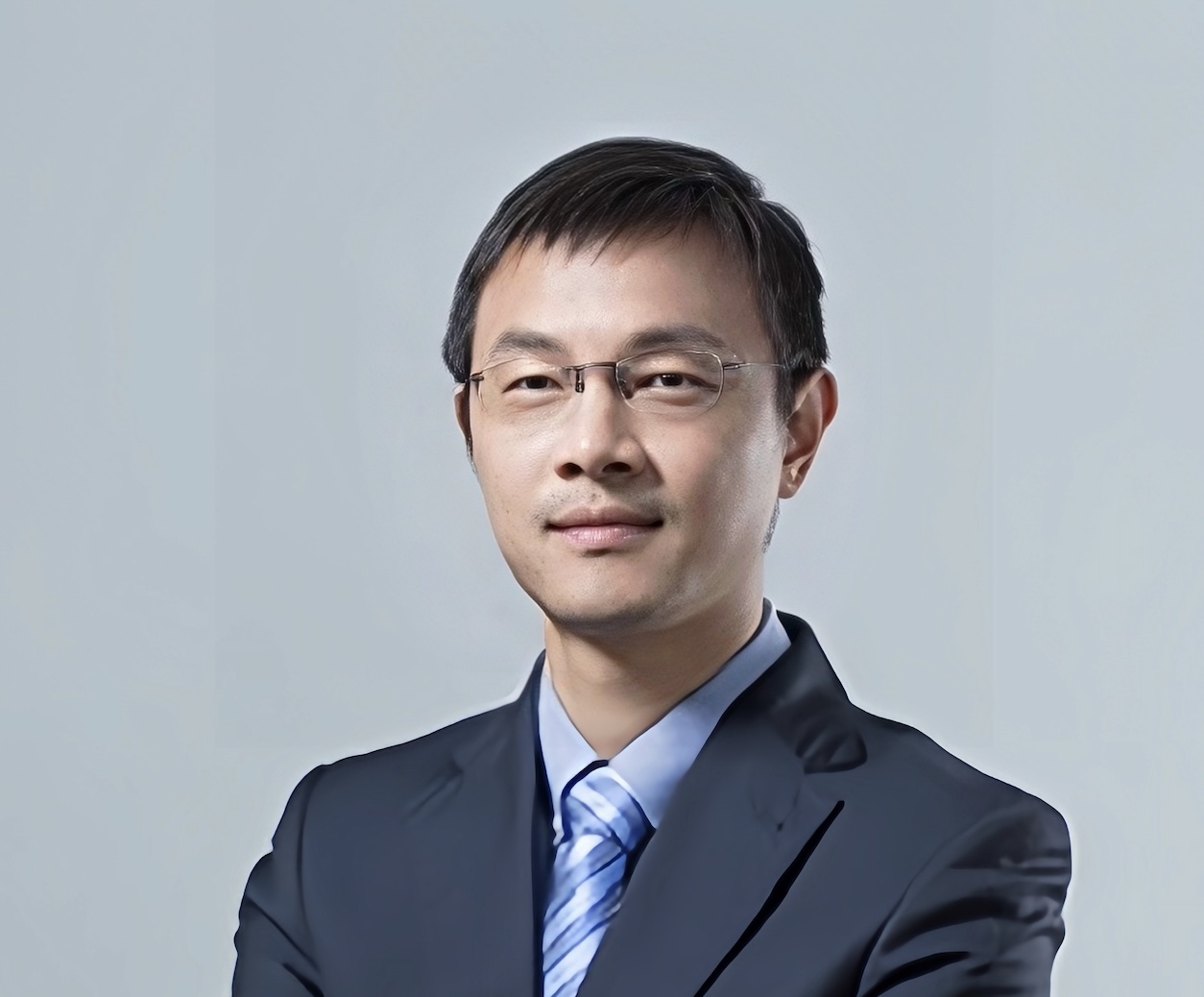
Co-Win currently has around 30 employees, including 15 investment professionals specialising in deep tech and healthcare. The sub-sectors covered include AI, semiconductors, optical modules, materials, biotech and medical devices. The portfolio comprises 157 companies, with over 20 IPOs and a further 10–15 planned. Notable portfolio companies include Neuracle, a brain-computer interface (BCI) firm that received commercial use authorisation from the Chinese regulatory body before Neuralink; and JBD, a supplier of microLED AR projectors to Meta and Amazon.
The new fund marks a step forward. Although Co-Win manages predominantly RMB-denominated funds, worth over $800 million, this offshore dollar-denominated vehicle will now also include deep tech alongside healthcare. This diversification reflects sector opportunities and investor demand. As Xu explained: “Healthcare does not generate exponential growth like deep tech. That is why we want to include deep tech in this new dollar-denominated fund.”
Implications for Hong Kong and global capital markets
Co-Win’s expansion highlights broader trends in Hong Kong’s financial landscape. The city is positioning itself as a leading offshore RMB hub, with initiatives ranging from bonds and venture capital funds to fintech regulation. Private funds such as Co-Win add depth to this ecosystem, channelling capital into strategic sectors and connecting Chinese start-ups to global markets.
For international investors, the opportunity lies in gaining access to leading Chinese deep-tech companies through offshore structures with which they are familiar. Corporate vehicles in the Cayman Islands remain the industry standard, but Hong Kong-based structures could gain ground thanks to regulatory innovations. The support of advisers will be crucial in tailoring fundraising structures to investors’ preferences, whilst ensuring compliance and transparency.
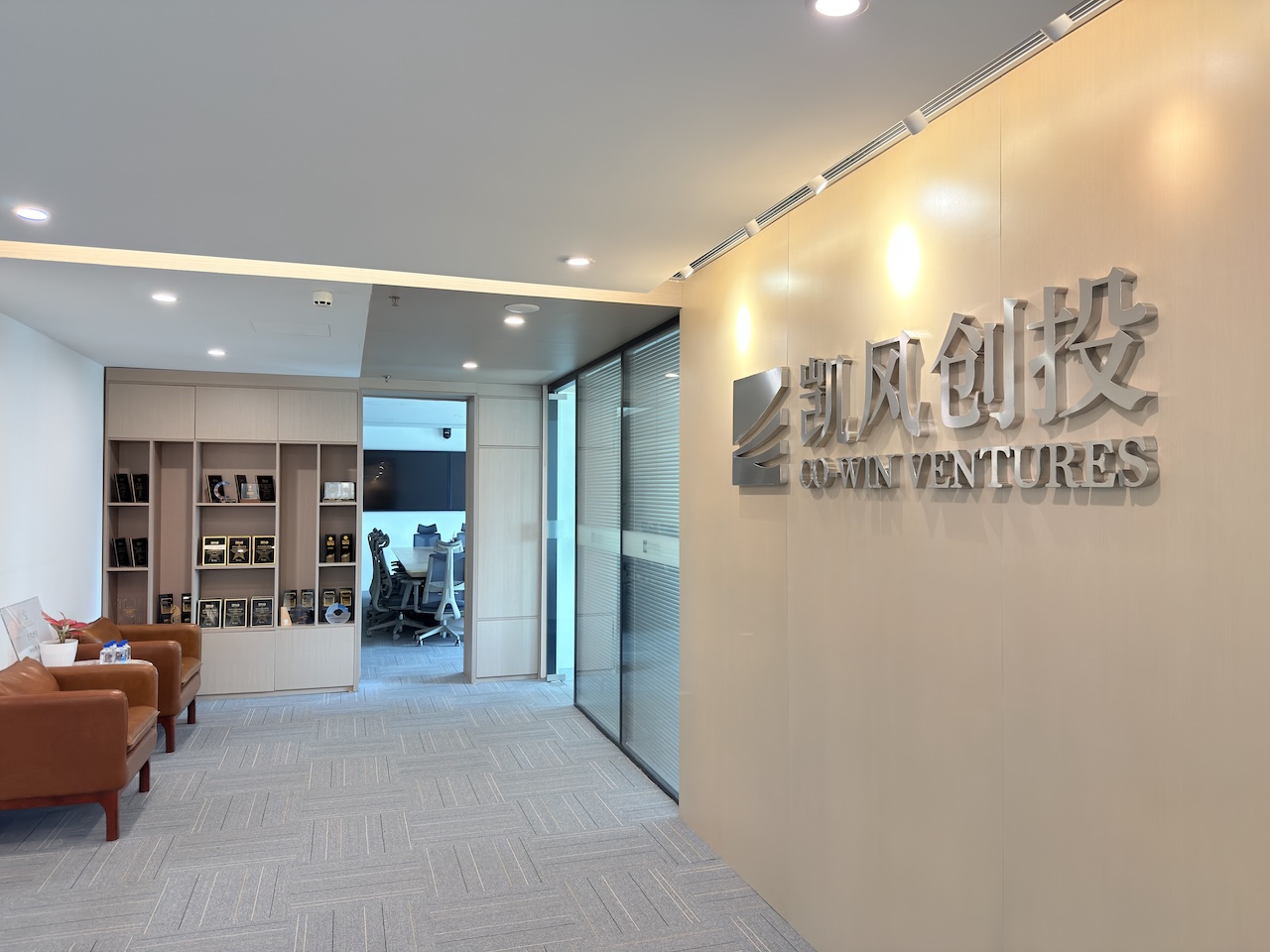
Co-Win’s move demonstrates how private capital complements government initiatives. By raising funds offshore, investing in strategic sectors and expanding internationally, the company is aligning itself with China’s goals of technological self-sufficiency and the internationalisation of the yuan. Hong Kong is strengthening its role as a springboard for expansion into the rest of the world (the author’s opening photo shows Co-Win’s headquarters in Shanghai).
Note for reader: This article is licensed under a Creative Commons Attribution–NoDerivatives 4.0 International License (CC BYND 4.0), allowing redistribution with attribution but no modifications.
ALL RIGHTS RESERVED ©